
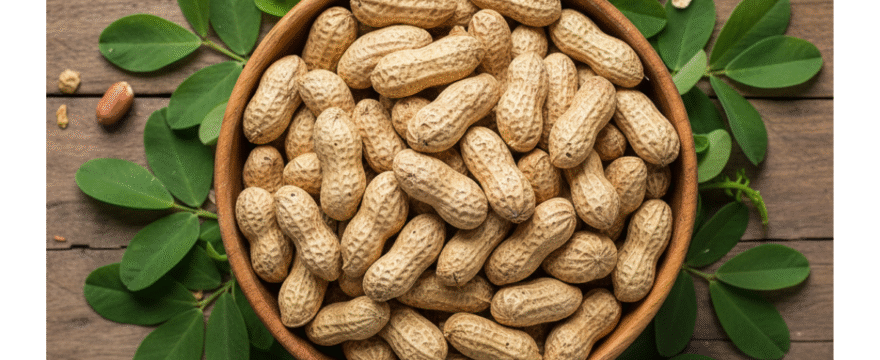
Peanuts — also known as groundnuts — are one of the world’s most loved and affordable sources of nutrition. From roadside snacks to creamy peanut butter, this humble legume has been a staple food for centuries across Asia, Africa, and the Americas. But beyond their delicious taste, the Health Benefits of Peanuts are truly extraordinary.
What makes peanuts unique is that they aren’t technically tree nuts — they’re legumes that grow underground. Yet nutritionally, they punch well above their weight. Packed with plant-based protein, heart-healthy fats, fiber, vitamins, and powerful antioxidants, peanuts deserve a permanent place in your daily diet.
In this comprehensive guide, we’ll explore the science-backed health benefits of peanuts, their nutritional profile, how to eat them the right way, potential side effects, and much more.
Nutritional Profile of Peanuts (Per 100g, Raw)
Before diving into the benefits, let’s understand what makes peanuts so nutritionally powerful. Every 100 grams of raw peanuts contains approximately:
| Nutrient | Amount |
|---|---|
| Calories | 567 kcal |
| Protein | 25.8g |
| Total Fat | 49.2g |
| Saturated Fat | 6.8g |
| Monounsaturated Fat | 24.4g |
| Polyunsaturated Fat | 15.6g |
| Carbohydrates | 16.1g |
| Dietary Fiber | 8.5g |
| Sugars | 4.7g |
| Vitamin E | 8.33mg |
| Niacin (B3) | 12.07mg |
| Folate (B9) | 240mcg |
| Magnesium | 168mg |
| Phosphorus | 376mg |
| Potassium | 705mg |
| Zinc | 3.27mg |
| Iron | 4.58mg |
Key takeaway: Peanuts are one of the best plant-based sources of protein and healthy fats. With 8.5g of fiber and over 25g of protein per 100g, they support everything from heart health to muscle recovery.
These nutrients make peanuts especially beneficial for vegetarians, vegans, and athletes who rely on plant-based nutrition.
10 Proven Health Benefits of Peanuts


Peanuts are more than just a tasty snack — they’re a true superfood packed with nutrients that support your heart, brain, and body.
Here are the 10 Health Benefits of Peanuts you should know:
1. Promotes Cardiovascular Health
One of the most well-documented health benefits of peanuts is their positive impact on heart health. Peanuts are rich in monounsaturated fatty acids (MUFAs) — particularly oleic acid — and polyunsaturated fatty acids (PUFAs), which are the same heart-protective fats found in olive oil.
These healthy fats help:
- Lower LDL (bad) cholesterol levels
- Increase HDL (good) cholesterol
- Reduce arterial inflammation
- Decrease the risk of coronary heart disease
Peanuts also contain resveratrol, a powerful polyphenol antioxidant also found in red wine, which is known to protect blood vessels and reduce the risk of stroke. Regular consumption of a small handful of unsalted peanuts has been associated with a significantly lower risk of cardiovascular disease.
Tip: Opt for unsalted, dry-roasted peanuts to get maximum heart benefits without excess sodium.
2. Boosts Brain Function and Memory
Peanuts are one of nature’s best brain foods. They contain a powerful combination of niacin (Vitamin B3), folate, Vitamin E, and resveratrol — all of which support cognitive health.
- Niacin plays a key role in DNA repair within brain cells and has been linked to a reduced risk of age-related cognitive decline, including Alzheimer’s disease.
- Folate is essential for healthy neurotransmitter function and is especially important for pregnant women to support fetal brain development.
- Vitamin E acts as a neuroprotective antioxidant, shielding brain cells from oxidative damage.
- Resveratrol improves blood flow to the brain, enhancing memory, focus, and mood.
For students, working professionals, and older adults alike, eating peanuts regularly can help maintain mental sharpness and delay cognitive deterioration.
3. Supports Healthy Weight Management
It may seem counterintuitive — peanuts are calorie-dense, so how can they help with weight management? The answer lies in their satiety power.
The combination of high protein (25g/100g), dietary fiber (8.5g/100g), and healthy fats means peanuts slow digestion, keeping you feeling full for longer. This reduces overall calorie intake throughout the day by naturally suppressing appetite.
Research consistently shows that people who include nuts and peanuts in their diet do not gain excess weight compared to those who avoid them. In fact, the protein and fiber in peanuts help:
- Reduce hunger between meals
- Prevent binge eating
- Support a healthy metabolic rate
Smart swap: Replace processed snacks like chips or biscuits with a small handful of roasted peanuts for a filling, nutrient-rich alternative.
4. Builds Muscle and Provides Sustained Energy
Peanuts are an excellent source of plant-based protein, making them ideal for athletes, gym-goers, and vegetarians. With about 25–26g of protein per 100g, peanuts rival many animal protein sources in terms of amino acid content.
They contain all essential amino acids, including arginine, which plays a key role in muscle repair and growth. The healthy fats and complex carbohydrates in peanuts also provide a steady, sustained release of energy — unlike processed snacks that cause blood sugar spikes followed by energy crashes.
Adding natural peanut butter to your pre- or post-workout smoothie or oatmeal is a simple and effective way to support muscle recovery and energy levels throughout the day.
5. Regulates Blood Sugar Levels
Peanuts have a very low glycemic index (GI) of around 14, which means they cause minimal spikes in blood sugar after consumption. This makes them an outstanding snack option for people with type 2 diabetes or those at risk of developing it.
The magnesium in peanuts (168mg/100g) plays an important role in improving insulin sensitivity, which helps the body use blood glucose more efficiently. Peanuts also contain healthy fats and fiber that slow the absorption of carbohydrates, further stabilizing blood sugar levels.
For people following a low glycemic diet, peanuts are one of the most versatile and satisfying foods to include regularly.
Note for diabetics: Stick to plain, unsalted, or dry-roasted peanuts without added sugar or honey coatings.
6. Rich in Powerful Antioxidants
Peanuts are surprisingly high in antioxidants — in fact, roasted peanuts have antioxidant activity comparable to blackberries and strawberries. The key antioxidants in peanuts include:
- Resveratrol — fights inflammation, protects the cardiovascular system, and has anti-aging properties
- P-coumaric acid — a polyphenol that reduces oxidative stress and inflammation
- Phytic acid — an antioxidant that helps reduce the growth of abnormal cells
- Isoflavones — plant compounds with antioxidant and hormone-balancing effects
These antioxidants work together to combat free radicals — unstable molecules that damage cells, accelerate aging, and contribute to chronic diseases, including cancer. Interestingly, roasting peanuts actually increases their antioxidant content by up to 22%, making lightly roasted peanuts even more beneficial.
7. Supports Healthy Skin and Hair
The nutrients in peanuts work from the inside out to nourish your skin and hair. Here’s how:
- Vitamin E — protects skin cells from UV damage, reduces inflammation, and maintains skin elasticity, helping prevent early signs of aging.
- Biotin (Vitamin B7) — strengthens hair follicles, reduces hair thinning, and promotes healthy hair growth.
- Zinc — supports skin cell renewal and helps regulate sebum production, reducing acne breakouts.
- Healthy fats — keep skin moisturized and supple from within, preventing dryness and flakiness.
For people struggling with dull skin or brittle hair, adding peanuts to the daily diet can produce visible improvements over time — naturally and affordably.
8. Strengthens Bones and Prevents Deficiency
Peanuts are a good source of phosphorus, magnesium, and calcium — three minerals that are essential for maintaining strong bones and preventing osteoporosis. Phosphorus, in particular, works alongside calcium to build and repair bone tissue.
The manganese in peanuts also plays an important role in bone formation and the activation of enzymes involved in bone metabolism. For women over 40 who are at higher risk of bone density loss, regularly consuming peanuts can be a simple dietary strategy to support skeletal health.
9. Reduces Inflammation
Chronic inflammation is at the root of many serious diseases, including heart disease, type 2 diabetes, arthritis, and even certain cancers. Peanuts contain several anti-inflammatory compounds, including:
- Resveratrol
- Coumaric acid
- Oleic acid (monounsaturated fat)
- Niacin
These compounds work together to suppress inflammatory pathways in the body. People who regularly eat nuts and peanuts show measurably lower levels of inflammatory markers like C-reactive protein (CRP) compared to those who don’t.
As a superfood, peanuts offer a natural, food-based approach to managing inflammation without relying on supplements.
10. Supports Pregnancy and Fetal Development
Peanuts are one of the richest dietary sources of folate (Vitamin B9), which is critical during pregnancy. Adequate folate intake in the first trimester significantly reduces the risk of neural tube defects such as spina bifida in newborns.
Beyond folate, the healthy fats, protein, and iron in peanuts support the mother’s energy levels, blood production, and the baby’s organ development. Unless there is a family history of peanut allergy, most health guidelines now suggest that consuming peanuts during pregnancy is safe and beneficial.
Always consult your healthcare provider before making significant dietary changes during pregnancy.

Peanuts Support Heart Health
One of the biggest health benefits of peanuts is their ability to improve heart function.
The monounsaturated fats and resveratrol found in peanuts help reduce bad cholesterol (LDL) and increase good cholesterol (HDL).
Studies show that regular peanut consumption can lower the risk of:
- Heart disease
- Stroke
- High blood pressure
Tip: A handful of unsalted peanuts daily may keep your heart healthy without raising calorie overload.
Boosts Brain Function and Memory
Peanuts contain niacin, vitamin E, and antioxidants that protect brain cells from oxidative stress.
They also have resveratrol, a compound linked to improved memory and cognitive performance.
Eating peanuts regularly can:
- Support mental focus
- Delay cognitive decline
- Improve mood and energy
Perfect for students and professionals alike!
Helps in Weight Management

Although calorie-dense, peanuts can actually support weight loss when consumed in moderation.
Their high protein and fiber content keep you full for longer, reducing the urge to overeat.
Replace processed snacks with roasted peanuts — a smart, guilt-free option!
Supports Muscle Growth and Energy
Peanuts are rich in plant-based protein, making them an ideal choice for athletes, gym-goers, and anyone seeking to build muscle naturally.
They provide a steady source of energy without the sugar crash that comes from processed snacks.
For an energy-packed breakfast, try adding peanut butter to your smoothie or oatmeal.
Regulates Blood Sugar Levels
Peanuts have a low glycemic index (GI), meaning they don’t spike blood sugar quickly.
This makes them an excellent snack choice for people with diabetes or those watching their sugar intake.
Magnesium in peanuts also improves insulin sensitivity — reducing diabetes risk.
Rich in Antioxidants
The polyphenols and resveratrol in peanuts fight free radicals that cause aging and inflammation.
That’s why peanuts are often referred to as a natural anti-aging food!
How to Eat Peanuts the Healthy Way
Getting the full health benefits of peanuts depends not just on eating them, but on how you eat them. Here are the best practices:
Choose the Right Type
Always go for raw or dry-roasted peanuts without added salt, sugar, or oil. Avoid:
- Honey-roasted peanuts (high sugar)
- Deep-fried peanuts (high in unhealthy fats)
- Heavily salted peanuts (excess sodium raises blood pressure)
Follow Portion Control
Peanuts are calorie-dense, so 28–30 grams (about a small handful) per day is the ideal amount for most adults. This provides roughly 160–170 calories, 7–8g of protein, and 14g of healthy fat — a nutritional sweet spot without calorie overload.
Make Natural Peanut Butter at Home
Commercial peanut butter often contains hydrogenated oils, added sugar, and stabilizers that reduce its nutritional value. Homemade natural peanut butter — made by blending dry-roasted peanuts in a food processor until smooth — is a far healthier option. You can add a pinch of salt or a tiny drizzle of honey if needed.
Use natural peanut butter as:
- A spread on whole-grain toast
- A dip for apple slices or carrot sticks
- A base for smoothies and protein shakes
- A sauce for stir-fries and noodle dishes
Incorporate Peanuts Creatively in Meals
Peanuts don’t have to be just a snack. Try:
- Sprinkling roasted peanuts on salads for crunch and protein
- Adding crushed peanuts to rice dishes, curries, or soups
- Mixing peanuts into homemade granola or trail mix
- Using peanut paste in satay sauces, noodle dressings, or vegetable stir-fries
Storage Tips
Store peanuts in an airtight container in a cool, dry, dark place. Peanuts can go rancid if exposed to heat, moisture, or light. Shelled peanuts keep well for 1–2 months at room temperature or up to a year in the refrigerator.
Important: Never eat peanuts that smell musty or look discolored. Improperly stored peanuts can develop aflatoxin — a harmful mold produced by Aspergillus fungi — which is toxic to the liver.
Peanuts vs Other Common Nuts — Quick Comparison
| Nutrient (per 100g) | Peanuts | Almonds | Cashews | Walnuts |
|---|---|---|---|---|
| Protein | 25.8g | 21.2g | 18.2g | 15.2g |
| Healthy Fat | 49.2g | 49.9g | 43.8g | 65.2g |
| Fiber | 8.5g | 12.5g | 3.3g | 6.7g |
| Calories | 567 | 579 | 553 | 654 |
| Folate | 240mcg | 44mcg | 25mcg | 98mcg |
| Cost (relative) | ✅ Very affordable | ❌ Expensive | ❌ Expensive | ❌ Expensive |
Peanuts lead in protein content and folate among common nuts and are by far the most affordable — making them the best everyday nut for most people.
Potential Side Effects and Who Should Be Careful
While peanuts are highly nutritious, they are not suitable for everyone. It’s important to be aware of the following:
Peanut Allergy — A Serious Risk
Peanut allergy is one of the most common and severe food allergies in the world. Symptoms can range from mild (itching, hives, nausea) to life-threatening anaphylaxis, which requires immediate medical attention. People with a known peanut allergy must completely avoid peanuts and peanut products.
If you are introducing peanuts to young children, consult your pediatrician first — especially if there is a family history of nut allergies.
High Calorie Content
Because peanuts are calorie-dense (567 kcal/100g), overconsumption can lead to weight gain. Stick to the recommended daily portion of 28–30g.
High in Omega-6 Fatty Acids
Peanuts contain relatively high amounts of omega-6 fats. While omega-6 is essential, consuming too much without balancing omega-3 intake (from fish, flaxseeds, or walnuts) can promote inflammation over time.
Oxalate Content
Peanuts contain oxalates, which in large amounts can contribute to kidney stone formation in people who are prone to oxalate-type kidney stones. Those with a history of kidney stones should moderate their peanut intake and stay well-hydrated.
Aflatoxin Risk
As mentioned earlier, poorly stored peanuts can harbor aflatoxin mold. Always purchase peanuts from reputable sources and store them properly.
Frequently Asked Questions (FAQs)
Q1. Are peanuts good for daily consumption? Yes! Eating a small handful (28–30g) of unsalted peanuts daily is safe and highly beneficial for most adults. Regular consumption supports heart health, brain function, energy levels, and overall nutrition.
Q2. Can peanuts help with weight loss? Absolutely. Peanuts are rich in protein and fiber, which keep you feeling full longer and help control appetite — reducing overall calorie intake throughout the day when eaten in moderation.
Q3. Are roasted or raw peanuts healthier? Both are nutritious. Lightly dry-roasted peanuts are slightly richer in antioxidants, while raw peanuts preserve all heat-sensitive nutrients. Avoid oil-roasted or heavily salted varieties.
Q4. Can people with diabetes eat peanuts? Yes. Peanuts have a very low glycemic index (around 14) and contain magnesium that improves insulin sensitivity. They are an excellent snack for people managing blood sugar levels when eaten without added sugar or salt.
Q5. Are peanuts safe during pregnancy? For most women, yes. Peanuts are rich in folate, which is critical for fetal brain and spinal cord development. However, if you or your partner has a history of nut allergies, consult your doctor before consuming peanuts during pregnancy.
Q6. Can eating too many peanuts cause weight gain? Yes, if eaten in excess. Peanuts are calorie-dense, so overeating them will contribute to weight gain. Stick to 28–30g per day as a guideline and avoid peanut products with added sugar or oil.
Conclusion
The health benefits of peanuts go far beyond being just a tasty snack. They are a complete nutritional package that supports your heart, brain, bones, skin, and energy levels all at once. Affordable, versatile, and backed by strong nutritional science, they truly earn the title of nature’s everyday superfood.
By choosing raw or dry-roasted varieties, practicing portion control, and incorporating peanuts creatively into your meals, you can enjoy all their remarkable benefits safely and deliciously. Whether you eat them whole, as natural peanut butter, or as a topping in salads and curries, peanuts are one of the easiest upgrades you can make to your daily diet.
So the next time you reach for a snack, make it a handful of peanuts and let this humble legume work its magic on your health.
👉 Explore authentic homemade Bangladeshi dishes on Runnar Hut
👉 Explore authentic homemade Bangladeshi dishes on Runnar Hut and follow the Runnar Hut Facebook page for the latest food updates and recipes.
Related Articles from Runnar Hut
👉 Lab Lab Bean: The Future Superfood for Healthy Living 👉 Healthy Plant-Based Diet Alternatives: A Simple Guide for Beginners 👉 Vegan and Vegetarian Diet Alternatives: A Complete Guide 👉 Easy Cheap Diabetic Meals: Budget-Friendly Recipes for Sugar Control


[…] this guide, we’ll explore not just how to cook it — but also why this Healthy Homemade Honey Chicken Recipe fits beautifully into a balanced […]