
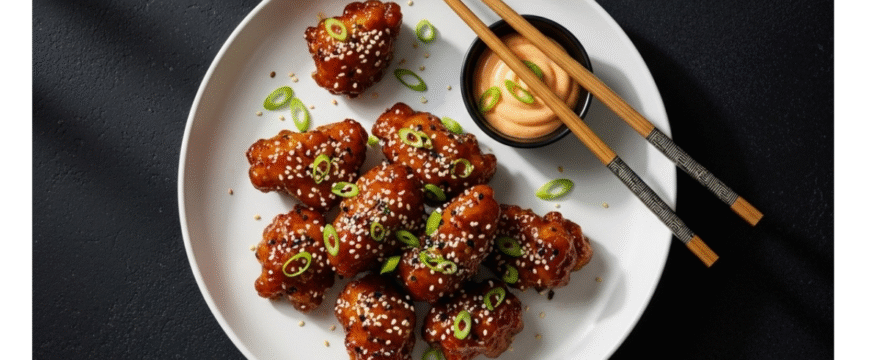
Introduction: Why This Healthy Homemade Honey Chicken Recipe Belongs in Your Kitchen
When most people think of honey chicken, they picture a golden, crispy takeout dish dripping in sugary sauce — delicious, yes, but not exactly something you’d call nutritious. However, the good news is that a healthy homemade honey chicken recipe can deliver all that irresistible flavour while still supporting your health goals.
Homemade cooking also gives you complete control over the ingredients. For example, you can choose high-quality honey, reduce excess sodium, use healthier cooking methods like baking or pan-searing, and add fresh vegetables for extra nutrition. As a result, this dish becomes more than just a tasty dinner — it transforms into a balanced and nourishing meal.
In this comprehensive guide, you’ll discover everything from selecting the right ingredients and understanding their health benefits to mastering simple cooking techniques, meal prep ideas, and healthy serving suggestions. Whether you’re an experienced home cook or just beginning your healthy eating journey, this recipe is easy to follow, satisfying, and packed with flavour.
Whenever you crave something both comforting and nutritious, honey chicken is an excellent choice.
In this guide, we’ll explore not just how to cook it — but also why this healthy honey chicken recipe works so well as part of a healthy lifestyle.
What Makes Honey Chicken a Healthy Choice?
Before we dive into the recipe itself, it’s worth understanding why this dish can be genuinely nutritious — not just labelled” healthy” for marketing purposes.
1. Lean Protein from Chicken
Chicken breast and boneless thighs are among the best sources of lean protein available. For instance, a single 100g serving of skinless chicken breast contains approximately 31 grams of protein, less than 3.5 grams of fat, and around 165 calories. In addition, protein is essential for muscle repair, immune function, keeping you satiated between meals, and supporting a healthy metabolism.
Unlike red meats or processed proteins, chicken is easy to digest and incredibly versatile. Therefore, in this honey chicken recipe, it forms the nutritious centrepiece of the dish.
2. Natural Honey — Nature’s Sweetener
Not all sweeteners are equal. While refined sugar offers little more than empty calories, raw or organic honey brings genuine nutritional value to the table. For example, honey contains:
- Antioxidants — particularly flavonoids and phenolic acids, which help combat oxidative stress in the body
- Antimicrobial properties — making it beneficial for gut health and immunity
- Trace minerals — including potassium, calcium, magnesium, and zinc
- Natural enzymes — that support healthy digestion
When used in moderation — as this recipe recommends — honey adds sweetness without the sharp blood sugar spikes associated with refined sugar. Therefore, choosing raw, unprocessed, or organic honey can maximise the nutritional benefits.
3. Olive Oil and Sesame Oil — Heart-Healthy Fats
One of the biggest differences between restaurant honey chicken and this homemade version is the cooking fat. Instead of submerging chicken in a deep fryer, this recipe uses a small amount of olive oil or sesame oil for pan-searing. As a result, the dish contains healthier fats while remaining rich in flavour.
Additionally, these oils are rich in monounsaturated fats and omega-9 fatty acids, which support heart health and may help reduce inflammation. Meanwhile, sesame oil adds a beautiful nutty depth that complements honey perfectly.
4. Garlic and Ginger — Powerhouse Aromatics
Garlic and ginger are not just flavour enhancers — they are nutritional powerhouses as well. For instance, garlic contains allicin, a compound with well-documented antibacterial, antiviral, and anti-inflammatory properties. Moreover, regular consumption of garlic is associated with improved cardiovascular health and stronger immunity.
Similarly, ginger is prized for its anti-nausea effects, its ability to reduce inflammation, and its role in supporting healthy digestion. Together, these ingredients transform this honey chicken from a simple sweet dish into something far more nutritious and beneficial.
5. Low-Sodium Soy Sauce
Soy sauce adds rich umami depth to the marinade. However, traditional soy sauce can be very high in sodium. For that reason, this recipe recommends low-sodium soy sauce or coconut aminos as a substitute. Consequently, you can significantly reduce salt intake without sacrificing flavour.
Ingredients for the Perfect Healthy Homemade Honey Chicken Recipe
Serves: 4 | Prep Time: 15 minutes + 30 minutes marinating | Cook Time: 20 minutes
Marinade Ingredients for Honey Chicken:
- 500g boneless, skinless chicken breast or thighs, cut into bite-sized cubes
- 2 tablespoons raw or organic honey
- 2 tablespoons low-sodium soy sauce (or coconut aminos)
- 3 cloves fresh garlic, finely minced
- 1 teaspoon fresh ginger, grated
- 1 tablespoon apple cider vinegar
- ½ teaspoon black pepper
For the Sauce:
- 3 tablespoons raw honey
- 1½ tablespoons low-sodium soy sauce
- 1 teaspoon sesame oil
- 1 teaspoon cornstarch mixed with 2 tablespoons of water
- ½ teaspoon red chilli flakes (optional)
- Juice of half a lemon
Ingredients Needed for Cooking:
- 1½ tablespoons olive oil or sesame oil
- 1 tablespoon cornstarch (for light coating)
Garnishes and Serving:
- Toasted sesame seeds
- Thinly sliced spring onions
- Steamed broccoli, snap peas, or bok choy
- Brown rice, cauliflower rice, or quinoa
Step-by-Step Instructions
Step 1: Marinate the Chicken
Place the chicken pieces into a large bowl. Add the soy sauce, 1 tablespoon honey, minced garlic, grated ginger, apple cider vinegar, and black pepper. Toss until evenly coated. Cover and refrigerate for at least 30 minutes — up to 2 hours for a deeper flavour.
Why this matters: The acids in the vinegar and soy sauce gently break down protein fibres for tender meat, while garlic and ginger penetrate every piece for authentic depth of flavour throughout.
Step 2: Lightly Coat the Chicken
Remove the chicken from the fridge. Sprinkle 1 tablespoon cornstarch over the pieces and toss to coat lightly. This thin layer creates a delicate crust during searing that helps the honey glaze cling beautifully — without any heavy batter or deep frying.
Step 3: Prepare the Honey Sauce
Whisk together honey, soy sauce, sesame oil, lemon juice, chilli flakes, and the cornstarch slurry in a small bowl. Set aside. This becomes the glossy, sticky glaze that makes this Healthy Homemade Honey Chicken Recipe so visually and gastronomically irresistible.
Step 4: Sear the Chicken
Heat olive oil or sesame oil in a wide non-stick skillet over medium-high heat. Once shimmering, add chicken in a single layer — cook in batches if needed. Sear 3–4 minutes per side until golden brown and cooked through (internal temp: 75°C / 165°F). Remove and set aside.
Health Tip: Pan-searing keeps calories at approximately 330–350 per serving, compared to 600+ for deep-fried versions. A simple switch with a huge nutritional payoff.
Step 5: Build the Glaze
In the same pan, reduce the heat to medium. Pour in the prepared honey sauce and stir continuously for 1–2 minutes until it thickens into a glossy, sticky coating.
Step 6: Combine and Finish
Return the seared chicken to the pan. Toss well to coat every piece in the honey glaze. Cook together for another 1–2 minutes until everything is heated through and coated evenly.
Step 7: Serve and Garnish
Plate over steamed brown rice or quinoa. Add steamed greens on the side. Scatter toasted sesame seeds and sliced spring onions on top. Serve immediately.
Nutritional Information (Per Serving — Approximate)
| Nutrient | Amount |
|---|---|
| Calories | 330–360 kcal |
| Protein | 32g |
| Carbohydrates | 22g |
| Natural Sugars (from honey) | 14g |
| Total Fat | 9g |
| Saturated Fat | 1.5g |
| Sodium | 480mg |
| Fibre | 1g |
Values based on chicken breast, low-sodium soy sauce, and olive oil.
Health Benefits of This Healthy Homemade Honey Chicken Recipe
This healthy homemade honey chicken recipe is more than just flavorful — it also provides a variety of nutritional benefits that support overall wellness. Thanks to its balanced combination of lean protein, healthy fats, natural sweetness, and nutrient-rich ingredients, this dish fits beautifully into a healthy lifestyle.

Here are the key health benefits you’ll enjoy:
1. Supports Muscle Growth and Recovery
Chicken is an excellent source of lean protein, which plays a vital role in muscle repair and recovery. In addition, protein helps keep you feeling full longer, making this recipe especially satisfying after workouts or busy days.
2. Boosts Immunity Naturally
Honey, garlic, and ginger work together to support the immune system naturally. For example, garlic contains antibacterial compounds, while ginger is known for its anti-inflammatory effects. Meanwhile, honey provides antioxidants that help protect the body from oxidative stress.
3. Promotes Heart Health
Unlike deep-fried takeout versions, this homemade honey chicken recipe uses healthier cooking methods and heart-friendly ingredients. Moreover, olive oil contains monounsaturated fats that may support healthy cholesterol levels and overall cardiovascular wellness.
4. Helps Reduce Inflammation
Both garlic and ginger are widely recognised for their anti-inflammatory properties. As a result, regularly including these ingredients in balanced meals may help support long-term health and overall well-being.
5. Supports Healthy Digestion
Apple cider vinegar and raw honey contain natural compounds that may help improve digestion. Furthermore, these ingredients can support healthy gut bacteria and smoother digestion when consumed as part of a balanced diet.
6. Helps Maintain Steady Energy Levels
Although honey adds natural sweetness, it has a lower glycemic index (GI) than refined sugar. Consequently, it may help support more stable energy levels when enjoyed in moderation. Additionally, pairing this dish with brown rice or quinoa creates a balanced combination of protein, healthy fats, and complex carbohydrates for long-lasting energy throughout the day.
Variations and Customisations
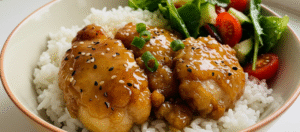
Spicy Version: Add 1–2 teaspoons of sriracha or fresh chilli to the sauce. Capsaicin in chilli also has metabolism-boosting properties.
Vegan Option: Replace chicken with firm tofu or tempeh. Press tofu well before marinating so it absorbs maximum flavour.
Baked Version: Bake marinated chicken at 200°C (400°F) for 20–25 minutes, brushing with sauce halfway through. Even lighter than pan-searing.
Add Vegetables: Toss in sliced bell peppers, mushrooms, snap peas, or carrots for a complete one-pan meal.
Lower Sugar: Reduce honey to 2 tablespoons and add 1 teaspoon of stevia or monk fruit sweetener to balance. Lower glycaemic load, same great glaze.
Gluten-Free: Use tamari or coconut aminos instead of soy sauce and ensure cornstarch is certified gluten-free.
Meal Prep and Storage Guide
Batch Cooking: Double or triple the recipe on a Sunday. Divide into meal boxes for the week — healthy lunches and dinners ready every day without effort.
Refrigerator: Keeps well for up to 4 days in an airtight container. Store rice separately to prevent sogginess.
Freezer: Freeze for up to 3 months. Cool completely before freezing. Thaw overnight in the refrigerator.
Reheating: Reheat in a skillet over low-medium heat with a splash of water to revive the glaze. Avoid microwaving to prevent drying out.
Serving Suggestions
| Side | Why It Works |
|---|---|
| Brown Rice | Complex carbs for sustained energy |
| Cauliflower Rice | Low-carb, adds extra vegetables |
| Quinoa | Complete protein, all 9 essential amino acids |
| Steamed Broccoli | Vitamin C, K, fibre — balances sweetness |
| Bok Choy | Calcium, vitamins A & C, satisfying crunch |
| Green Salad | Freshness and healthy fats from avocado |
Frequently Asked Questions
Q1. Can I use chicken thighs instead of breast? Yes. Boneless, skinless thighs are slightly higher in fat but more tender and forgiving for beginners. Both work beautifully in this recipe.
Q2. What type of honey is best? Raw or organic honey is ideal. It retains natural enzymes, antioxidants, and antimicrobial properties that heavy commercial processing destroys.
Q3. How do I prevent the honey from burning? Keep the heat at medium when making the glaze and stir constantly. The cornstarch slurry helps thicken at lower temperatures, reducing burn risk.
Q4. Is this recipe suitable for children? Yes — simply omit the chilli flakes. The natural sweetness from honey makes it a consistent favourite with kids.
Q5. Can this be made in an air fryer? Absolutely. Air fry at 190°C (375°F) for 12–15 minutes, shaking halfway. Make the sauce separately and toss the cooked chicken through it before serving.
Q6. How can I make it more filling? Increase brown rice or quinoa portions, add roasted sweet potatoes, or stir more greens directly into the glaze at the end of cooking.
Why Cooking at Home Always Wins
In a world full of convenient takeout options, this Healthy Homemade Honey Chicken Recipe: Easy and Nutritious is a powerful reminder of why home cooking matters. When you cook at home, you know exactly what goes into your food — no hidden MSG, no excessive sodium, no artificial colouring, no unknown oils.
Restaurant honey chicken typically relies on heavy batter, deep frying, and sugar-laden sauces — often delivering 600–900 calories per serving with high saturated fat and sodium. This homemade version achieves the same sweet, sticky satisfaction at roughly half the calories, with considerably more nutritional value.
It is also more economical. The ingredients for four generous servings cost a fraction of restaurant or delivery prices. Over weeks and months, that saving is significant.
Why This Recipe Works for Special Occasions
This Honey Chicken recipe is versatile and crowd-pleasing. First, it looks restaurant-quality when plated beautifully. Second, it accommodates various dietary preferences easily.
Moreover, you can prepare it ahead of time. Therefore, you spend less time cooking during celebrations. Finally, the sweet-savoury flavour appeals to both adults and children.
Common Mistakes to Avoid When Making Honey Chicken
Even experienced cooks can run into problems when making honey chicken at home. Avoiding these common mistakes will help you achieve perfectly tender, glossy, and flavourful results every single time.
1. Cooking on Too High a Heat
Honey contains natural sugars that caramelise and burn quickly at high temperatures. Many home cooks make the mistake of turning the heat up too high, hoping for a faster result — but this causes the glaze to turn bitter and dark rather than golden and sweet. Always cook the honey sauce over medium heat and stir continuously to prevent burning.
2. Skipping the Marinade
One of the most common shortcuts people take is skipping the marinating step entirely. While it may save time, the result is bland, dry chicken with flavour only on the surface. Marinating for at least 30 minutes — ideally 1–2 hours — allows the garlic, ginger, and soy sauce to penetrate the meat deeply, resulting in tender, flavourful chicken throughout.
3. Overcrowding the Pan
Placing too many chicken pieces in the pan at once causes the temperature to drop significantly. Instead of searing, the chicken ends up steaming in its own moisture — producing pale, soft pieces rather than golden, caramelised ones. Always cook in a single layer, in batches if necessary, to ensure proper browning and texture.
4. Using Processed Honey
Supermarket honey that has been heavily filtered and heated loses most of its natural enzymes, antioxidants, and nutritional value. Using low-quality processed honey means you miss out on the health benefits entirely and often end up with an overly sweet, one-dimensional flavour. Always choose raw or organic honey for the best taste and nutritional results.
5. Adding the Sauce Too Early
Pouring the honey glaze into the pan before the chicken is fully cooked traps moisture and prevents proper caramelisation. Always sear the chicken fully first, remove it from the pan, make the glaze separately, and then return the chicken to coat it. This two-stage method is what gives the dish its signature glossy, sticky finish.
6. Not Drying the Chicken Before Cooking
Excess moisture on the surface of the chicken creates steam in the pan, preventing the Maillard reaction — the chemical process responsible for browning and deep flavour development. Before searing, always pat the chicken pieces dry with a kitchen towel for the best caramelised crust.
7. Over-thickening the Sauce
Adding too much cornstarch can make the glaze thick and gluey rather than glossy and light. Start with the recommended amount — 1 teaspoon mixed with 2 tablespoons of water — and add more only if needed. The sauce should coat the back of a spoon but still flow smoothly.
Homemade vs Restaurant Honey Chicken: Calorie Comparison
One of the most compelling reasons to make this Healthy Homemade Honey Chicken Recipe at home is the dramatic difference in calories, fat, and sodium compared to restaurant or takeout versions. The table below makes that difference impossible to ignore.
| Version | Calories (per serving) | Total Fat | Sodium | Sugar | Cooking Method |
|---|---|---|---|---|---|
| This Homemade Recipe | 330–360 kcal | 9g | 480mg | 14g (natural) | Pan-seared |
| Casual Restaurant | 520–600 kcal | 22g | 900mg | 28g (refined) | Lightly fried |
| Chinese Takeout | 650–750 kcal | 28g | 1,100mg | 35g (refined) | Deep-fried |
| Fast Food Version | 800–950 kcal | 38g | 1,400mg | 42g (refined) | Deep-fried |
Approximate values based on standard 300g servings. Restaurant values sourced from general nutritional databases.
What This Means for You
Choosing this homemade version over a typical Chinese takeout portion saves you approximately 300–400 calories, nearly 20 grams of fat, and over 600mg of sodium — in a single meal. Over a week of regular takeout, those numbers compound significantly.
Beyond calories, the quality of ingredients matters enormously. Takeout versions typically use refined sugar, artificial colouring, MSG, and low-quality oils. This homemade recipe uses natural honey, heart-healthy olive oil, and real aromatics — meaning every calorie comes with genuine nutritional value rather than empty filler.
For anyone managing weight, blood pressure, or simply trying to eat more mindfully, the choice is clear. Same great taste. Half the cost. Twice the nutrition.
Pro Tips for the Best Honey Chicken Every Time
These professional kitchen tips will elevate your homemade honey chicken from good to genuinely exceptional — the kind of result that makes people ask for the recipe.
Tip 1: Use Room Temperature Chicken
Remove the chicken from the refrigerator 15–20 minutes before cooking. Room temperature meat sears more evenly and cooks through at the same rate as the outside browns, preventing the common problem of burnt exteriors with undercooked centres.
Tip 2: Add Lemon Juice at the Very End
Lemon juice loses its bright, fresh character when cooked for too long. For the most vibrant flavour, squeeze fresh lemon juice directly into the finished glaze just before returning the chicken to the pan, rather than cooking it into the sauce from the beginning.
Tip 3: Toast Your Sesame Seeds
Pre-packaged sesame seeds are often flat in flavour. Toast them in a dry pan over low heat for 2–3 minutes, stirring constantly, until golden and fragrant. The difference in flavour is remarkable — nutty, warm, and deeply aromatic.
Tip 4: Let the Glaze Rest for 30 Seconds Before Serving
After coating the chicken in the honey glaze, remove the pan from the heat and allow everything to rest for 30 seconds before plating. This brief resting period allows the sauce to set slightly on the chicken surface, resulting in a thicker, more even coating that clings beautifully rather than pooling on the plate.
Tip 5: Deglaze for Extra Flavour
After searing the chicken, you’ll notice golden-brown bits stuck to the bottom of the pan. Before adding the sauce, add a small splash of chicken stock or water and scrape those bits up with a wooden spoon. This technique — called deglazing — incorporates deep, caramelised flavour directly into your glaze that would otherwise be wasted.
Tip 6: Slice Against the Grain for Tenderness
If using chicken breast, always slice the cooked meat against the grain (perpendicular to the muscle fibres) rather than along it. This simple technique shortens the muscle fibres and produces noticeably more tender, easier-to-chew pieces.
Tip 7: Finish with a Drizzle of Sesame Oil
Just before serving, add a small drizzle of pure sesame oil over the finished dish. This adds a final layer of warm, nutty aroma that makes the dish smell as incredible as it tastes — a simple trick used in professional Asian kitchens worldwide.
Tip 8: Balance Sweetness with a Pinch of Salt
If the glaze tastes too sweet at any point, a small pinch of sea salt will immediately restore balance. Salt does not make food salty — in small amounts, it enhances and rounds out all the other flavours, including sweetness.
Choosing the Right Honey: A Complete Guide
Not all honey is created equal. The type of honey you choose for this recipe has a direct impact on both the flavour of your dish and the nutritional benefits you receive. Here is everything you need to know to make the best choice.
| Honey Type | Flavour Profile | Key Health Benefits | Best Use in This Recipe | Availability |
|---|---|---|---|---|
| Raw Honey | Rich, complex, floral | Highest antioxidants, natural enzymes intact, antimicrobial | ⭐ Best overall choice | Health food stores, online |
| Organic Honey | Clean, mild-to-rich | No pesticides, good enzyme content | Excellent alternative to raw | Supermarkets, online |
| Manuka Honey | Earthy, slightly medicinal | Exceptional antibacterial properties, the highest MGO content | Best for health-focused cooking | Speciality stores, online |
| Clover Honey | Light, mild, sweet | Moderate antioxidants | Good for mild, subtle flavour | Most supermarkets |
| Wildflower Honey | Bold, variable, aromatic | Good antioxidant range, varies by region | Adds interesting depth of flavour | Farmers’ markets, online |
| Commercial Blended Honey | Very sweet, one-dimensional | Minimal — often diluted with corn syrup | ❌ Not recommended | Most supermarkets |
What to Look for on the Label
When buying honey for cooking and health, look for these indicators of quality:
“Raw“ — means the honey has not been heated above 45°C (113°F), preserving all natural enzymes and antioxidants. This is the most important quality marker.
“Unfiltered“ means the honey retains natural pollen, propolis, and other beneficial compounds that are removed during commercial processing.
“Single origin“ — means the honey comes from one specific region or flower source, ensuring consistent flavour and traceability.
Avoid honey labelled simply as “honey blend,” “table honey,” or products where the country of origin is listed as “blend of EU and non-EU honeys” — these are often diluted with cheaper sweeteners and offer little nutritional value.
How Much Honey is Healthy?
While honey is nutritionally superior to refined sugar, it is still a source of natural sugar and should be enjoyed in moderation. The World Health Organisation (WHO) recommends keeping free sugar intake — including honey — to less than 10% of total daily energy intake, ideally below 5% for additional health benefits.
In practical terms, the 5 tablespoons of honey used across the marinade and sauce in this recipe is divided across four servings, meaning each portion contains approximately 1.25 tablespoons of honey — a perfectly reasonable amount as part of a balanced, varied diet.
Storing Honey Correctly
Store honey in a sealed glass jar at room temperature, away from direct sunlight. Honey never truly expires — archaeologists have found 3,000-year-old honey in Egyptian tombs that was still edible. However, it may crystallise over time. To return crystallised honey to a liquid state, simply place the jar in warm water (not boiling) and stir gently until smooth.
Conclusion
The homemade recipe for honey chicken proves that delicious food doesn’t have to be unhealthy. By using real ingredients like natural honey, lean chicken, and fresh vegetables, you can create a dish that’s light, flavorful, and packed with nutrients.
Moreover, this Healthy Homemade Honey Chicken Recipe: Easy and Nutritious shows that healthy eating never has to feel boring or restrictive. With lean protein, fragrant garlic and ginger, and heart-friendly cooking oils, every ingredient contributes both taste and nourishment.
Whether you’re preparing a quick weeknight dinner, cooking for family, or meal-prepping for the days ahead, this recipe is simple, satisfying, and versatile enough for any occasion. In addition, its perfect balance of sweetness, savoury flavour, and wholesome ingredients makes it a meal you’ll want to enjoy again and again.
Once you try this healthy homemade honey chicken recipe, it may easily become a regular favourite in your weekly meal rotation. Looking for delicious homemade food updates and recipes? Visit the Runnar Hut Facebook page.
For more healthy and flavorful recipes, visit: RunnarHut


[…] সুস্বাদু রেসিপি বেশি কার্যকর। যেমন—চিকেন হানিকোয়ান, মশলাদার লঙ্কার মাছ, বা সিজনাল […]