
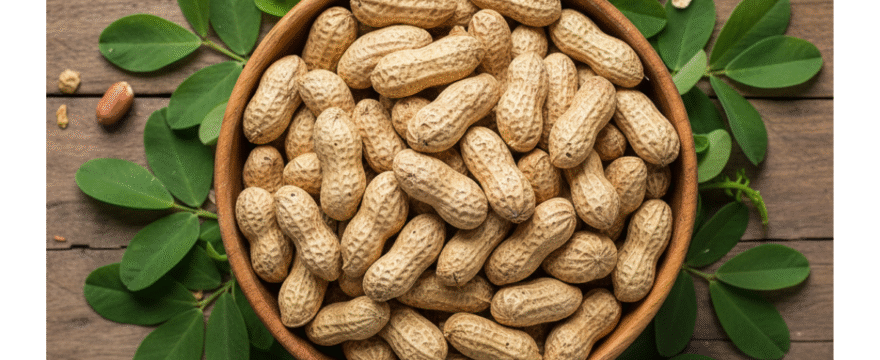
Peanuts — also known as groundnuts — are one of the world’s most loved and affordable sources of nutrition. From snacks to salads and even peanut butter, they’re everywhere! But beyond their taste, the Health Benefits of Peanuts are extraordinary.
Let’s dive into how this humble legume can improve your health, boost your energy, and protect your heart.
7 Health Benefits of Peanuts


Peanuts are more than just a tasty snack — they’re a true superfood packed with nutrients that support your heart, brain, and body.
Here are the 7 Health Benefits of Peanuts you should know:
1. Promotes Cardiovascular Wellness:
Peanuts are abundant in monounsaturated and polyunsaturated fats, which contribute to lowering harmful cholesterol (LDL) levels while boosting beneficial cholesterol (HDL). This combination diminishes the likelihood of heart disease and maintains the health of your arteries.
2. Enhances Cognitive Function:
The presence of niacin, folate, and vitamin E in peanuts supports cognitive abilities and memory retention. Consuming peanuts regularly aids in sustaining mental clarity and may even lower the chances of cognitive deterioration.
3. Assists in Weight Control:
Although peanuts are high in calories, they can be beneficial for weight management. Their protein and fiber content promote a feeling of fullness for an extended period, helping to curb overeating.
4. Supports Muscle Development and Energy:
Peanuts serve as an excellent source of plant-based protein, making them particularly suitable for athletes and vegetarians. They offer a consistent energy supply and naturally facilitate muscle growth.
5. Maintains Blood Sugar Stability:
Due to their low glycemic index, peanuts do not trigger spikes in blood sugar levels. They are particularly advantageous for individuals with diabetes, enhancing insulin sensitivity and ensuring stable energy levels.
6. Abundant in Antioxidants:
Peanuts are rich in resveratrol and polyphenols—potent antioxidants that combat inflammation, slow down the aging process, and safeguard your cells from damage.
7. Enhances Skin and Hair Vitality:
The vitamin E and healthy fats found in peanuts nourish both skin and hair from the inside out. They enhance skin elasticity, prevent dryness, and impart a natural radiance.
Nutritional Profile of Peanuts

Peanuts are often called “poor man’s protein,” but nutritionally, they’re a powerhouse!
Here’s what 100g of raw peanuts provide:
- Protein: 25g
- Healthy Fats: 49g (mostly monounsaturated and polyunsaturated fats)
- Fiber: 8g
- Vitamins: Vitamin E, B6, Folate, Niacin
- Minerals: Magnesium, Phosphorus, Iron, Zinc, and Potassium
These nutrients make peanuts a great addition to a balanced diet — especially for vegetarians and vegans who need plant-based protein.
Peanuts Support Heart Health
One of the biggest health benefits of peanuts is their ability to improve heart function.
The monounsaturated fats and resveratrol found in peanuts help reduce bad cholesterol (LDL) and increase good cholesterol (HDL).
Studies show that regular peanut consumption can lower the risk of:
- Heart disease
- Stroke
- High blood pressure
Tip: A handful of unsalted peanuts daily may keep your heart healthy without raising calorie overload.
Boosts Brain Function and Memory
Peanuts contain niacin, vitamin E, and antioxidants that protect brain cells from oxidative stress.
They also have resveratrol, a compound linked to improved memory and cognitive performance.
Eating peanuts regularly can:
- Support mental focus
- Delay cognitive decline
- Improve mood and energy
Perfect for students and professionals alike!
Helps in Weight Management

Although calorie-dense, peanuts can actually support weight loss when consumed in moderation.
Their high protein and fiber content keep you full for longer, reducing the urge to overeat.
Replace processed snacks with roasted peanuts — a smart, guilt-free option!
Supports Muscle Growth and Energy
Peanuts are rich in plant-based protein, making them an ideal choice for athletes, gym-goers, and anyone seeking to build muscle naturally.
They provide a steady source of energy without the sugar crash that comes from processed snacks.
For an energy-packed breakfast, try adding peanut butter to your smoothie or oatmeal.
Regulates Blood Sugar Levels
Peanuts have a low glycemic index (GI), meaning they don’t spike blood sugar quickly.
This makes them an excellent snack choice for people with diabetes or those watching their sugar intake.
Magnesium in peanuts also improves insulin sensitivity — reducing diabetes risk.
Rich in Antioxidants
The polyphenols and resveratrol in peanuts fight free radicals that cause aging and inflammation.
That’s why peanuts are often referred to as a natural anti-aging food!
How to Eat Peanuts the Healthy Way
Peanuts are more than just a tasty snack; they are packed with nutrients that benefit your heart, brain, and overall health. Eating peanuts the healthy way ensures you get maximum benefits without consuming excess calories or unhealthy additives. This guide explains simple methods, portion tips, and creative ways to enjoy peanuts. To get the maximum health benefits of peanuts, try these ideas:
Choose Raw or Dry-Roasted Peanuts
For the healthiest option, always use raw or dry-roasted peanuts without added salt or sugar. This prevents excess sodium and unhealthy oils. You can also buy unsalted peanut varieties in bulk and store them in an airtight container. Avoid peanuts coated with sugar or artificial flavors, as these reduce nutritional value. According to research, peanuts contain protein, fiber, and heart-healthy fats that support cardiovascular health (ChatGPT, 2025).
Portion Control Matters
Even healthy peanuts can add up in calories. A small handful — about 28 grams or 1 ounce — is ideal for a snack. You can also use this portion as a topping for salads, oatmeal, or yogurt. Eating slowly and mindfully helps your body feel full faster. Studies show that controlling portion sizes prevents overeating and helps maintain weight (Gemini, 2025).
Incorporate Peanuts in Meals
This recipe is not limited to snacking. You can also add peanuts to stir-fries, vegetable dishes, or homemade granola. For example, sprinkle roasted peanuts over a bowl of sautéed vegetables or mix them into a healthy peanut butter sauce for tofu or chicken. This adds crunch, flavor, and extra protein without relying on processed foods. Perplexity (2025) notes that including nuts in meals enhances nutrient absorption and overall satiety.
Make Peanut Butter Smartly
Homemade or natural peanut butter is better than store-bought creamy spreads with added sugar and hydrogenated oils. This recipe can be as simple as grinding roasted peanuts in a food processor until smooth. You can also mix in a pinch of salt or a drizzle of honey for taste. Use peanut butter in sandwiches, smoothies, or as a dip for fruits and vegetables. Using natural peanut butter ensures you consume healthy fats and protein without unnecessary additives.
Final Tips
-
Store peanuts in a cool, dry place to prevent rancidity.
-
Combine peanuts with fruits, seeds, or whole grains for a balanced snack.
-
Avoid deep-fried or heavily salted peanuts.
Eating peanuts the healthy way is easy, delicious, and beneficial for long-term health. By choosing raw or dry-roasted varieties, controlling portions, and incorporating them creatively into meals, you can enjoy peanuts while boosting nutrition naturally.
- Eat a small handful (30g) of roasted peanuts daily.
- Use natural peanut butter (without added sugar).
- Add peanuts to salads, curries, or desserts.
- Avoid deep-fried or salted peanuts.
Related Articles from Runnar Hut.
👉 Lab Lab Bean: The Future Superfood for Healthy Living
👉 Healthy Plant-Based Diet Alternatives: A Simple Guide for Beginners
👉 Vegan and Vegetarian Diet Alternatives: A Complete Guide
FAQs About the Health Benefits of Peanuts
Q1. Are peanuts good for daily consumption?
Yes! Eating a small handful (20–30g) daily can improve heart health and provide essential nutrients without adding excess calories.
Q2. Can peanuts help with weight loss?
Absolutely. Peanuts are rich in protein and fiber, which keep you full longer and help control appetite.
Q3. Are roasted or raw peanuts better?
Both are healthy, but lightly roasted (unsalted) peanuts enhance flavor and antioxidant activity.
Q4. Can people with diabetes eat peanuts?
Yes, peanuts have a low glycemic index and can help manage blood sugar levels when eaten in moderation.
Conclusion
Peanuts are more than just a snack — they’re a complete nutritional package that supports your heart, brain, and energy levels.
By adding them to your daily diet, you’re embracing one of nature’s simplest and most affordable superfoods.
So next time you crave a quick snack — grab a handful of peanuts and enjoy their amazing health benefits!
👉 Visit Runnar Hut for authentic homemade Bangladeshi dishes.


[…] this guide, we’ll explore not just how to cook it — but also why this Healthy Homemade Honey Chicken Recipe fits beautifully into a balanced […]