
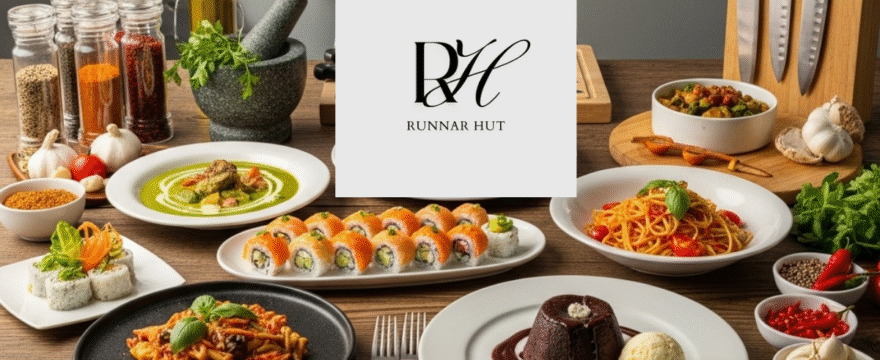
In recent years, the popularity of vegan and vegetarian diet alternatives has grown significantly across the world. With more people becoming conscious about their health, the environment, and animal welfare, plant-based diets have become a sustainable lifestyle choice. But one of the biggest challenges for new vegans and vegetarians is finding the right food alternatives that provide both nutrition and taste.
In this article, we will explore the best vegan and vegetarian diet alternatives, including protein sources, dairy substitutes, meat replacements, and easy meal ideas that can make your diet both healthy and satisfying.
Keywords used: vegan diet alternatives, vegetarian food substitutes, plant-based protein, dairy-free options, healthy vegan diet.
Why Choose Vegan and Vegetarian Diet Alternatives?
Switching to a plant-based lifestyle has multiple benefits:
- Health benefits: Lower risk of heart disease, obesity, diabetes, and certain cancers.
- Sustainability: Reduces carbon footprint and promotes eco-friendly food choices.
- Ethical reasons: No animal cruelty and better support for animal welfare.
These reasons make vegan and vegetarian diets a powerful step toward a healthier and more sustainable future.
Best Protein-Rich Vegan and Vegetarian Alternatives


Plant-Based Protein Sources
Protein is one of the primary concerns when shifting to a vegan or vegetarian lifestyle. Luckily, nature provides plenty of plant-based proteins.
Legumes and Pulses
Protein concerns often worry new vegans and vegetarians. Fortunately, legumes provide excellent protein without animal products. Lentils contain 18 grams of protein per cooked cup. Similarly, chickpeas offer 15 grams per serving.
Black beans and kidney beans work perfectly in various dishes. You can add them to soups, salads, and tacos. Moreover, they’re affordable and widely available in stores.
- Lentils, chickpeas, black beans, and kidney beans are rich in protein and fiber.
- Great for soups, curries, and salads.
Soy-Based Protein Options
Soy products deliver complete proteins with all essential amino acids. Tofu provides 20 grams of protein per cup. Meanwhile, tempeh offers even more with 31 grams.
These foods replace meat easily in recipes. Try tofu in stir-fries or tempeh in sandwiches. Additionally, edamame makes a quick, protein-rich snack.
- Tofu, tempeh, and edamame are complete protein sources.
- Excellent alternatives to chicken or beef in stir-fries and sandwiches.
Whole Grains That Pack Protein
Whole grains do more than fill you up. Quinoa stands out with 8 grams of protein per cup. It also contains all nine essential amino acids.
Brown rice, oats, and millet provide steady energy throughout the day. Furthermore, they supply important minerals like iron and magnesium. Use them as bases for Buddha bowls or breakfast porridge.
- The super foods Quinoa, brown rice, oats, and millet are not only protein-rich but also provide essential minerals.
Nutrient-Dense Nuts and Seeds
Nuts and seeds offer healthy fats alongside protein. Almonds provide 6 grams of protein per ounce. Similarly, peanuts deliver 7 grams in the same serving.
Chia seeds and flaxseeds boost omega-3 intake significantly. Sprinkle them on yogurt or blend them into smoothies. Moreover, sunflower seeds add crunch to salads and baked goods.
-
Almonds, peanuts, sunflower seeds, flaxseeds, and chia seeds are perfect for snacks or smoothies.
Dairy-Free and Egg-Free Alternatives
Vegan Dairy Substitutes
Plant-Based Milk Options
Dairy milk alternatives have exploded in popularity recently. Almond milk offers a light, nutty flavor with minimal calories. Meanwhile, soy milk provides comparable protein to cow’s milk.
Oat milk creates creamy coffee drinks and smoothies. Coconut milk works perfectly in curries and desserts. Additionally, most brands fortify these milks with calcium and vitamin D.
-
Almond milk, soy milk, oat milk, and coconut milk are rich in calcium and vitamins.
Cheese Substitutes That Satisfy
Missing cheese becomes easier with modern alternatives. Cashew cheese delivers rich, creamy textures without dairy. Cashew cheese, soy cheese, and nutritional yeast provide the cheesy flavor without dairy. However, if you prefer traditional dairy options, you can also try making homemade Paneer – a healthy and popular Indian cottage cheese.
Nutritional yeast provides a cheesy flavor plus B vitamins. Soy-based cheeses melt well on pizzas and sandwiches. You can also make homemade versions using nuts and spices. Therefore, giving up cheese doesn’t mean sacrificing flavor.


-
Cashew cheese, soy cheese, and nutritional yeast provide the cheesy flavor without dairy.
Yogurt and Butter Replacements
Coconut yogurt offers probiotic benefits like dairy versions. Soy yogurt provides more protein per serving. Both work well in parfaits and smoothie bowls.
Plant-based butter substitutes taste remarkably similar to dairy butter. Brands use oils from olives, avocados, and coconuts. Use them for baking, cooking, or spreading on toast.
-
Coconut yogurt, soy yogurt, and plant-based margarines are widely available in supermarkets.
Egg Substitutes for Baking and Cooking

Natural Egg Replacements
Replacing eggs in recipes requires simple techniques. Mix one tablespoon of ground flaxseed with three tablespoons of water. This creates a “flax egg” that binds ingredients together.
Chia seeds work the same way as flaxseeds. Alternatively, use mashed banana in sweet baked goods. Applesauce also replaces eggs while adding moisture to cakes.
Commercial Egg Products
Many companies now produce vegan egg powders. These products mimic real eggs in texture and taste. Simply mix with water and cook like scrambled eggs.
Some brands create liquid egg alternatives in bottles. They work perfectly for omelets and baking projects. Moreover, they often contain added protein and nutrients.
- Flaxseed or chia seed mixed with water (flax egg) works great for baking.
- Mashed bananas and applesauce can replace eggs in desserts.
- Commercial vegan egg powders are now available worldwide.
- Healthy Plant-Based Fats: Peanuts are a vegan-friendly, healthy fat source
Meat Alternatives for Vegetarians and Vegans
Plant-Based Meat Substitutes
Jackfruit as Pulled Meat
Young jackfruit mimics pulled pork texture remarkably well. It’s neutral flavor absorbs marinades and sauces easily. Therefore, it works in BBQ sandwiches and tacos.
You can buy canned jackfruit in most grocery stores. Simply drain, shred, and season it to taste. Cook it down with your favorite spices.
-
Shredded jackfruit is an excellent alternative for pulled pork or chicken recipes.
Seitan for Meaty Texture
Seitan comes from wheat gluten protein. It provides a chewy texture similar to chicken or beef. Additionally, it contains 25 grams of protein per serving.
Marinate seitan before cooking to enhance flavor. Use it in stir-fries, sandwiches, or fajitas. However, avoid seitan if you have gluten sensitivity.
-
Made from wheat gluten, seitan is a chewy, high-protein meat substitute.
Popular Plant-Based Burger Brands
Beyond Meat and Impossible Foods revolutionized vegan burgers. These products taste remarkably similar to beef patties. They even “bleed” like real meat when cooking.
Both brands offer ground meat alternatives, too. Use them in spaghetti sauce, tacos, or meatballs. Nevertheless, check sodium levels and choose whole food options when possible.
-
Popular plant-based meat brands that mimic the taste and texture of beef burgers.
Balanced Vegan and Vegetarian Meal Ideas

Breakfast Options
- Overnight oats with almond milk, chia seeds, and fresh fruits.
- Vegan pancakes made with oat flour and banana.
Lunch Options
- Quinoa salad with chickpeas, avocado, and mixed greens.
- Vegan wrap with hummus, roasted vegetables, and spinach.
Dinner Options
- Tofu stir-fry with broccoli, carrots, and brown rice.
- Lentil curry with whole-wheat roti or rice.
Snack Ideas
-
Roasted chickpeas, trail mix with nuts and dried fruits, or smoothies with soy protein powder.
FAQ: Vegan and Vegetarian Diet Alternatives
Frequently Asked Questions
1. What are the best protein sources for vegans and vegetarians?
Plant-based protein sources, such as lentils, chickpeas, tofu, tempeh, quinoa, nuts, and seeds, provide essential amino acids and serve as excellent alternatives to meat.
2. Can a vegan diet provide all necessary nutrients?
Yes, with careful planning, a vegan diet can supply all essential nutrients. Key nutrients to monitor include vitamin B12, iron, calcium, omega-3 fatty acids, and protein.
3. What are some popular dairy alternatives for vegans?
Common options include almond milk, soy milk, oat milk, cashew cheese, coconut yogurt, and plant-based margarine. These alternatives are fortified to provide essential vitamins and minerals.
4. How can I replace eggs in vegan recipes?
Flaxseed or chia seed “eggs” (1 tbsp seeds + 3 tbsp water), mashed banana, applesauce, or commercial vegan egg powders work well as egg substitutes in baking and cooking.
5. Are plant-based meat alternatives healthy?
Yes, options like jackfruit, seitan, Beyond Meat, and Impossible Foods are high in protein and can mimic meat textures. However, always check for sodium content and choose minimally processed options when possible.
6. Can vegan and vegetarian diets support weight management?
Absolutely! Plant-based diets are rich in fiber and low in saturated fat, which can help maintain a healthy body weight and promote overall wellness.
7. How can I ensure my vegan meals are balanced?
Include a variety of legumes, whole grains, nuts, seeds, fruits, and vegetables. Fortified foods or supplements can help meet vitamin B12 and vitamin D needs.
The Future of Vegan and Vegetarian Alternatives
As global demand for plant-based diets increases, food technology continues to evolve. Companies are developing lab-grown meat, plant-based seafood, and innovative dairy-free products that mimic the taste of the real thing. These alternatives not only provide nutrition but also address the growing concern of food security and sustainability.
Conclusion
A vegan and vegetarian diet does not mean giving up on taste or nutrition. With a wide variety of plant-based alternatives available, you can enjoy delicious meals while improving your health and helping the planet. Whether it’s protein-rich legumes, dairy-free milk, or innovative meat substitutes, the options are endless.
Switching to vegan or vegetarian alternatives is more than a diet; it’s a lifestyle that promotes wellness, compassion, and sustainability.
Get all traditional recipe updates in one place: Runnar Hut


[…] ও প্ল্যান্ট-বেইজড লাইফস্টাইল (Vegan and Plant-Based Lifestyle )একটি ভবিষ্যৎআন্দোলনে পরিণত হয়েছে। […]