
Introduction: Making School Lunches Exciting Again
Are you tired of hearing “I didn’t like my lunch today”? Finding fresh kids’ school lunch ideas can feel overwhelming for busy parents. However, packing nutritious meals doesn’t have to be stressful.
This comprehensive guide offers 30 days of healthy lunchbox menus. You’ll discover simple recipes that kids actually eat. Moreover, these ideas balance nutrition with taste perfectly.


Why Healthy School Lunches Matter
Nutrition directly impacts your child’s academic performance. Studies show that balanced meals improve concentration and energy levels. Furthermore, healthy eating habits start early.
Many children consume up to 40% of their daily calories at school. Therefore, what goes into that lunchbox truly matters. Additionally, proper nutrition supports growth and immune function.
Benefits of Homemade School Lunches
Preparing lunches at home offers numerous advantages. First, you control ingredients and portion sizes. Second, homemade meals cost less than cafeteria options.
Moreover, you can accommodate allergies and preferences easily. Finally, involving kids in lunch prep teaches valuable life skills.
Essential Principles for Kids’ School Lunch Ideas

Before diving into specific menus, understand these key principles. Every lunch should include protein, whole grains, fruits, and vegetables. Balance is the foundation of nutritious meals.
The Five Food Groups Formula
Use this simple formula for every lunchbox. Include one protein source like chicken or beans. Add whole-grain bread or crackers next.
Pack fresh fruits and crunchy vegetables too. Don’t forget a dairy item like cheese or yogurt. This combination ensures complete nutrition.
Portion Sizes by Age
Kindergarten children need smaller portions than middle schoolers. Generally, younger kids (5-8 years) require about 1,200-1,600 calories daily. Older children (9-13 years) need 1,600-2,200 calories.
Adjust lunchbox portions to provide roughly one-third of daily needs. Therefore, listen to your child’s hunger cues. Additionally, avoid forcing them to finish everything.
Week 1: Foundation Kids School Lunch Ideas
Let’s start with simple, tried-and-true options. These meals introduce variety without overwhelming picky eaters. Moreover, they’re quick to prepare on busy mornings.
Day 1: Classic Turkey Sandwich Combo

Start with whole wheat bread and lean turkey slices. Add lettuce, tomato, and a thin mayo layer. Pair with baby carrots and hummus.
Include apple slices with peanut butter for sweetness. Pack a small cookie as a special treat. This balanced meal provides protein, fiber, and essential vitamins.
Day 2: Pasta Salad Delight
Use whole-grain pasta as your base. Mix in diced chicken, cherry tomatoes, and cucumber. Toss with Italian dressing lightly.
Add string cheese and red grapes on the side. Include whole-grain crackers for crunch. Consequently, this cold lunch stays fresh until mealtime.
Day 3: Wrap It Up
Spread cream cheese on a whole wheat tortilla. Layer with ham, shredded lettuce, and grated carrot. Roll tightly and slice into pinwheels.
Pack blueberries and snap peas alongside. Add yogurt with granola for extra nutrition. These colorful pinwheels make lunch fun and interactive.
Day 4: Breakfast for Lunch
Think outside the traditional lunch box. Pack mini whole-grain pancakes with a syrup container. Include turkey sausage links for protein.
Add orange slices and celery with almond butter. This unexpected meal often excites reluctant eaters. Moreover, it uses simple breakfast ingredients.
Day 5: DIY Lunchable

Create a healthier version of store-bought options. Pack whole-grain crackers, cheese cubes, and deli meat separately. Add cherry tomatoes and cucumber slices.
Include strawberries and a small treat. Let kids assemble their own combinations. Therefore, this interactive lunch encourages independence.
Week 2: International Flavors
Introduce global cuisines to expand your child’s palate. These kids’ school lunch ideas bring exciting new tastes. However, they remain familiar enough for cautious eaters.
Day 6: Mexican-Inspired Quesadilla
Fill a whole wheat tortilla with cheese and beans. Cook until golden and crispy, then cut into triangles. Pack separately with salsa and guacamole.
Add corn chips and mango slices. Include bell pepper strips for crunch. This lunch provides fiber, protein, and healthy fats.
Day 7: Asian Noodle Bowl
Use rice noodles or soba as your base. Top with shredded chicken and steamed broccoli. Pack teriyaki sauce in a small container.
Add edamame and pineapple chunks. Include fortune cookies for fun. Consequently, this lunch teaches kids about different cultures.
Day 8: Italian Pizza Pockets
Fill a whole wheat pita with mozzarella and pizza sauce. Add mini pepperoni or vegetables. Warm slightly before packing in an insulated container.
Include cherry tomatoes and cucumber slices. Pack grapes and a small biscotti. This pizza alternative feels special yet stays nutritious.
Day 9: Greek-Style Lunch
Pack whole wheat pita with hummus and feta. Add cucumber, tomatoes, and olives. Include grilled chicken strips separately.
Add watermelon cubes and mixed nuts. This Mediterranean-inspired meal offers heart-healthy fats. Moreover, it introduces new flavors gently.
Day 10: Mini Sushi Rolls
Make simple cucumber or avocado rolls with rice. Use a bamboo mat for easy rolling. Cut into bite-sized pieces.
Pack soy sauce in a small container. Add edamame, mandarin oranges, and seaweed snacks. Therefore, kids experience fun, healthy food.
Week 3: Comfort Food Classics
Sometimes kids need familiar, comforting meals. These kids’ school lunch ideas offer nostalgia with nutrition. Additionally, they’re perfect for stressful school days.
Day 11: Mac and Cheese with Veggies

Use whole-grain pasta and real cheese sauce. Mix in steamed broccoli or peas. Pack it in a thermos to keep warm.
Add carrot sticks and ranch dip. Include apple sauce and graham crackers. This upgraded classic provides calcium and fiber.
Day 12: Chicken Nugget Bowl
Pack homemade baked chicken nuggets. Include honey mustard or BBQ sauce for dipping. Add a whole-grain dinner roll on the side.
Pack sweet potato fries if available. Include green beans and pear slices. Consequently, this familiar meal feels like a treat.
Day 13: Grilled Cheese and Soup
Make grilled cheese on whole wheat bread. Pack tomato soup in an insulated container. Keep them separate until eating time.
Add cucumber slices and red grapes. Include a small cookie for dessert. This classic combination always satisfies.
Day 14: Mini Meatballs
Prepare turkey or beef meatballs ahead. Pack with marinara sauce for dipping. Include whole-grain baguette slices.
Add cherry tomatoes and mozzarella balls. Include mixed berries for sweetness. Therefore, this protein-rich lunch sustains energy all afternoon.
Day 15: Chicken Tenders
Use whole-grain breading for homemade tenders. Bake until crispy and golden brown. Pack various dipping sauces in small containers.
Add celery sticks and baby corn. Include pineapple chunks and yogurt. This lunch balances indulgence with nutrition perfectly.
Week 4: Creative and Fun Options
Keep lunch excitement high with creative presentations. These kids’ school lunch ideas transform ordinary ingredients. Moreover, they make healthy eating enjoyable.
Day 16: Kabob Lunch
Thread cheese cubes, grapes, and deli meat on skewers. Create colorful patterns for visual appeal. Pack crackers alongside.
Add cucumber rounds and cherry tomatoes. Include a granola bar for energy. Therefore, this interactive lunch engages kids.
Day 17: Sandwich Sushi
Roll the sandwiches flat and cut into spirals. Use fillings like peanut butter and banana. Create different flavor combinations.
Pack carrots and bell peppers. Add yogurt-covered raisins and pretzels. This creative presentation makes sandwiches exciting again.
Day 18: Waffle Sandwiches
Use whole-grain waffles instead of bread. Fill with turkey, cheese, and honey mustard. Toast lightly before packing.
Add sugar snap peas and strawberries. Include trail mix for extra protein. Consequently, breakfast foods become lunch favorites.
Day 19: Rainbow Bento Box
Create a colorful array using rainbow principles. Pack red tomatoes, orange carrots, and yellow peppers. Add green cucumbers, blueberries, and purple grapes.
Include cheese cubes and whole-grain crackers. This visually appealing lunch encourages vegetable consumption. Moreover, it teaches about colors and nutrition.
Day 20: Breakfast Burrito
Fill a whole wheat tortilla with scrambled eggs. Add cheese, beans, and mild salsa. Wrap tightly in foil.
Pack orange slices and bell pepper strips. Include yogurt with berries. Therefore, this protein-packed lunch sustains energy effectively.
Week 5: Special Dietary Options
Accommodate various dietary needs with these inclusive ideas. These kids’ school lunch ideas work for allergies and preferences. Additionally, they ensure every child enjoys nutritious meals.
Day 21: Nut-Free Protein Power
Use sunflower seed butter instead of peanut butter. Spread on whole wheat bread with banana. Pack with a dairy-free milk alternative.
Add carrots and hummus. Include applesauce and rice cakes. This safe option accommodates common allergies.
Day 22: Vegetarian Delight
Pack a chickpea salad sandwich on whole-grain bread. Use mashed chickpeas with light mayo. Add lettuce and tomato.
Include cheese sticks and whole-grain crackers. Pack melon cubes and snap peas. Therefore, plant-based meals provide complete nutrition.
Day 23: Gluten-Free Options
Use gluten-free bread for sandwiches or wraps. Fill with turkey, lettuce, and tomato. Ensure all ingredients are certified gluten-free.
Add gluten-free pretzels and cheese. Include grapes and baby carrots. Consequently, dietary restrictions don’t limit variety.
Day 24: Dairy-Free Choices
Make a sandwich with a dairy-free cheese alternative. Use whole-grain bread and deli meat. Pack coconut yogurt instead of regular.
Add vegetables and dairy-free crackers. Include fruit salad and nut butter. This lunch accommodates lactose intolerance perfectly.
Day 25: Egg-Free Lunch
Prepare a turkey and avocado sandwich. Use egg-free mayo if needed. Add crunchy vegetables on the side.
Pack dairy yogurt and berries. Include oat-based granola bars. Therefore, multiple allergens are avoided successfully.
Week 6: Budget-Friendly Ideas
Healthy lunches don’t require expensive ingredients. These kids’ school lunch ideas save money without sacrificing nutrition. Moreover, they use pantry staples creatively.
Day 26: Bean and Rice Bowl
Cook brown rice and canned black beans. Mix with corn and mild salsa. Pack in an insulated container.
Add tortilla chips for crunch. Include apple slices and celery. This economical lunch provides complete protein.
Day 27: Egg Salad Sandwich
Make egg salad with hard-boiled eggs. Spread on whole wheat bread generously. Eggs provide inexpensive, quality protein.
Add cucumber slices and cherry tomatoes. Include banana and whole-grain cookies. Therefore, budget meals can be nutritious.
Day 28: Peanut Butter Power
Spread natural peanut butter on whole wheat bread. Add sliced strawberries or honey. This classic combination costs very little.
Pack carrot sticks and pretzels. Include orange wedges and string cheese. Consequently, simple ingredients create satisfying meals.
Day 29: Tuna Sandwich
Mix canned tuna with light mayo. Spread on whole-grain bread with lettuce. Canned fish offers affordable omega-3s.
Add bell pepper strips and crackers. Include grapes and yogurt. This protein-rich lunch stays within budget.
Day 30: Pasta with Vegetables
Use leftover pasta from dinner. Mix with frozen vegetables and cheese. Heat slightly before packing in a thermos.
Add whole-grain roll and butter. Include fruit cocktail and graham crackers. Therefore, the 30-day cycle is completed affordably.
Tips for Successful Lunch Packing
Master these strategies to make lunch prep easier. Organization and planning save time every morning. Moreover, involving kids increases acceptance of new foods.
Meal Prep Sunday Strategy

Dedicate one hour weekly to lunch preparation. Wash and cut all vegetables at once. Portion snacks into individual containers.
Cook proteins and grains in batches. Store everything in clear containers. Therefore, morning assembly becomes quick and simple.
Investment in Good Containers
Quality lunchboxes maintain food freshness and temperature. Insulated containers keep hot foods warm. Ice packs preserve cold items safely.
Bento-style boxes create natural portion control. Leak-proof containers prevent messy spills. Therefore, proper equipment makes packing easier.
Getting Kids Involved
Let children help plan weekly menus. Take them grocery shopping for ingredient selection. Allow them to assemble simple lunch components.
This involvement increases their investment in eating lunch. Moreover, it teaches valuable life skills early. Consequently, mealtime battles often decrease significantly.
Food Safety Essentials
Proper food handling prevents illness and waste. Follow these guidelines for safe school lunches. Temperature control is particularly important.
Temperature Control
Hot foods should stay above 140°F (60°C). Use insulated thermoses for soups and hot meals. Preheat containers with hot water first.
Cold foods must remain below 40°F (4°C). Include ice packs in every lunchbox. Therefore, bacterial growth is minimized.
Avoiding Common Mistakes
Never pack perishables without temperature control. Avoid foods that spoil quickly in warm conditions. Check expiration dates on all ingredients.
Wash your hands thoroughly before food preparation. Clean lunchboxes daily with hot, soapy water. Therefore, food safety becomes habitual.
Dealing with Picky Eaters
Many children resist new foods initially. These strategies help expand their preferences gradually. Patience and persistence pay off eventually.
The One-Bite Rule
Encourage trying one bite of everything packed. Don’t force finishing entire portions. Repeated exposure increases acceptance over time.
Offer familiar foods alongside new items. Praise adventurous eating without pressure. Therefore, exploration feels safe and positive.
Presentation Matters
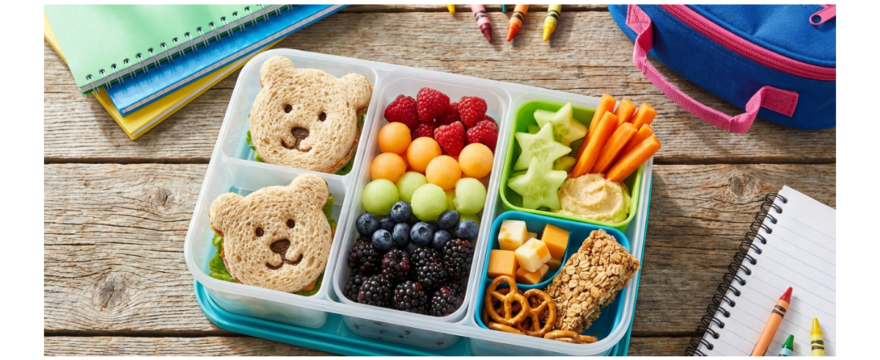
Cut sandwiches into fun shapes. Use colorful containers and picks. Arrange food in appealing patterns.
Include a positive note in the lunchbox. These small touches increase lunch enjoyment. Consequently, children eat more willingly.
Seasonal Lunch Ideas
Adapt menus to seasonal produce availability. Fresh, in-season fruits and vegetables taste better. Moreover, they cost less and offer peak nutrition.
Fall Favorites
Pack apple slices with cinnamon. Include roasted butternut squash cubes. Add whole-grain pumpkin muffins.
Use pears and cranberries for sweetness. Include turkey and stuffing-inspired sandwiches. Therefore, autumn flavors make lunch special.
Winter Warmers
Focus on warm, comforting foods. Pack hearty soups in thermoses. Include hot cocoa occasionally.
Add clementines and winter squash. Use root vegetables for side dishes. Consequently, cold days feel more manageable.
Spring Selections
Incorporate fresh berries and asparagus. Add snap peas and baby carrots. Include lighter proteins like chicken.
Use strawberries and cucumbers generously. Add spring greens to sandwiches. Therefore, lunches feel refreshing and light.
Summer Simplicity
Pack watermelon and other juicy fruits. Include cold pasta salads. Add fresh tomatoes and corn.
Use light proteins like turkey. Include frozen yogurt tubes. Consequently, hot days become more bearable.
Lunchbox Organization Hacks
A smart organization makes packing faster and easier. These systems save time and reduce stress. Additionally, they help kids eat more food.
The Compartment System
Use divided containers for each food group. Keep wet and dry foods separate. Store dips in small, secure containers.
This organization prevents food mixing. Moreover, it makes eating more appealing. Therefore, kids consume a greater variety.
Color-Coding Strategy
Assign each child a specific color. Use matching containers and utensils. Label everything clearly with names.
This system prevents mix-ups with siblings. Moreover, it makes morning packing faster. Consequently, chaos decreases significantly.
Handling Leftovers Creatively
Transform dinner leftovers into exciting lunches. This strategy saves money and reduces waste. Moreover, it simplifies meal planning considerably.
Repurposing Dinner Favorites
Use leftover grilled chicken in wraps. Transform roasted vegetables into pasta salad. Turn rice into fried rice bowls.
Add new elements to refresh yesterday’s meal. Include different sauces or toppings. Therefore, leftovers feel like new meals.
Freezer-Friendly Options
Prepare double batches of lunch favorites. Freeze individual portions in containers. Thaw overnight for easy packing.
Sandwiches, muffins, and some proteins freeze well. Label everything with dates clearly. Consequently, you always have backup options.
Conclusion: Building Healthy Habits
Packing nutritious school lunches creates lifelong healthy habits. These 30 kids’ school lunch ideas provide endless variety. Moreover, they make nutrition accessible for every family.
Start with simple options that your child enjoys. Gradually introduce new foods and flavors. Remember that persistence pays off eventually.
Involve your children in the process. Make lunch packing a positive family activity. Therefore, mealtimes become opportunities for connection.
These balanced meals support academic success and physical growth. They also teach children about proper nutrition. Consequently, you’re investing in their future health.

👉 For more delicious recipes, stay tuned to: Runnar Hut
Frequently Asked Questions
Q: How long can packed lunches stay safe without refrigeration?
Perishable foods remain safe for about 2 hours at room temperature. Use insulated bags with ice packs always. This extends safety to 4-5 hours reliably.
Q: What if my child doesn’t eat vegetables?
Start with mild-flavored options like cucumbers. Pair vegetables with your favorite dips. Add them to familiar foods gradually.
Q: How do I handle food allergies at school?
Always notify teachers about specific allergies. Pack clearly labeled allergen-free foods. Teach children never to share lunches.
Q: Can I pack the same lunch daily?
Children often prefer familiar favorites. However, rotate options to ensure balanced nutrition. Use this 30-day cycle for variety.
Q: What are the best proteins for school lunches?
Lean meats, eggs, beans, and nut butters are suitable options. Cheese and yogurt provide protein, too. Choose options your child enjoys eating.


Leave a Reply Cancel reply