
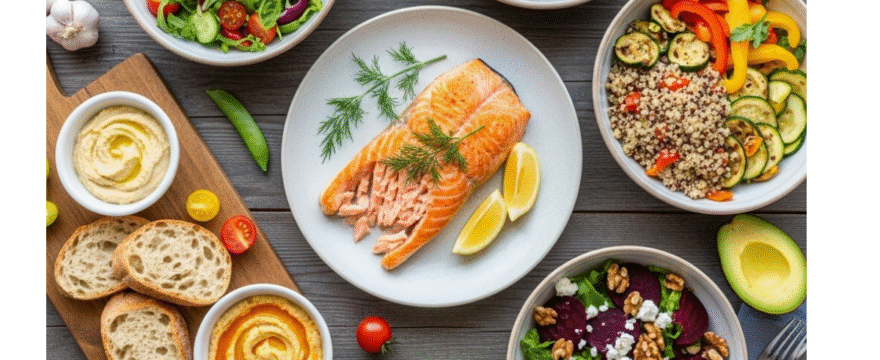
Introduction: Eating Well on a Budget with Diabetes
Managing diabetes doesn’t mean spending a fortune on groceries. In fact, you can create easy and affordable diabetic meals using simple ingredients. Moreover, these meals help control blood sugar while keeping your wallet happy.
This guide shows you how to make delicious, diabetes-friendly dishes. Additionally, each recipe costs less than $5 per serving. Therefore, you’ll eat well without financial stress.
Looking for easy, cheap diabetic meals that won’t break the bank? You’re in the right place! This guide features 25 cheap diabetic recipes perfect for blood sugar control on a budget.
Whether you need cheap diabetic friendly meals for weeknight dinners or cheap food for diabetics that’s quick to prepare, these recipes deliver both nutrition and affordability.
Why Budget-Friendly Diabetic Meals Matter

First, diabetes management requires consistent healthy eating. However, many people think nutritious food costs too much. Fortunately, that’s not true.
Budget meals can be nutrient-rich and tasty. Furthermore, planning saves both money and effort. Consequently, you’ll stick to your diet more easily.
The Connection Between Cost and Health
Research shows that affordability affects food choices. Nevertheless, cheap doesn’t mean unhealthy. In fact, whole grains, beans, and eggs are inexpensive staples.
These ingredients provide stable blood sugar control. Additionally, they offer essential nutrients your body needs. Thus, smart shopping makes diabetes management easier.
What Makes Diabetic Meals Cheap?
What Makes These Cheap Diabetic Meals Affordable?
Creating cheap, easy diabetic meals doesn’t mean sacrificing nutrition or taste. Here’s how to prepare cheap,
diabetic-friendly meals on any budget:
1. Use Budget Proteins
2. Buy Seasonal Vegetables
3. Plan Weekly Menus
4. Batch Cooking
Essential Ingredients for Easy, Cheap Diabetic Meals
Building a pantry with affordable basics helps tremendously. Moreover, these items last long and work in multiple recipes. Therefore, stock up when prices drop.
Protein Sources Under $3
- Eggs: Versatile and packed with protein
- Canned tuna: Quick meal solution
- Dried beans: Extremely budget-friendly
- Chicken thighs: Cheaper than breasts
Similarly, these proteins keep you full longer. As a result, you’ll avoid unhealthy snacking between meals.
Low-Glycemic Carbohydrates
Whole grains and vegetables control blood sugar effectively. Furthermore, they cost less than processed foods. Here are the top choices:
- Brown rice – a fiber-rich grain that helps slow glucose absorption.
- Oats – packed with beta-glucan, help control blood sugar naturally.
- Sweet potatoes – full of antioxidants and low-glycemic carbs.
- Quinoa – high in protein and fiber, perfect for stable energy.
- Broccoli – a powerful superfood rich in antioxidants.
- Chia seeds are an excellent source of omega-3 fatty acids and fiber.
- Spinach – low in carbs, high in vitamins and minerals.
- Almonds – add healthy fats and help balance blood sugar levels.
- Berries – naturally sweet and rich in antioxidants.
Meanwhile, frozen vegetables offer nutrition at lower prices. Thus, you get variety without overspending.
Lentil Salad with Garlicky Sausage


Looking for an easy, cheap diabetic meal that’s both delicious and blood sugar-friendly? This Lentil Salad with Garlicky Sausage is a perfect budget-friendly option that won’t spike your blood sugar levels. Lentils are a diabetic-friendly food because they have a low glycemic index, meaning they release sugar slowly into the bloodstream. They’re packed with fiber (about 15 grams per cup), which helps stabilize blood sugar levels and keeps you feeling full longer.
The best part? Lentils are incredibly affordable, costing just $1-2 per pound, making this one of the cheapest healthy meals you can prepare. For the protein component, portion control is essential—stick to 2-3 ounces of sausage per serving. However, choose wisely when selecting your sausage. Opt for lean turkey or chicken sausage instead of traditional pork varieties, as they contain less saturated fat and fewer calories.
Always look for low-sodium options when shopping for sausage. Many commercial sausages contain excessive salt, which can affect blood pressure—a common concern for diabetics. Read labels carefully and choose products with less than 400mg of sodium per serving. Better yet, consider making this dish with grilled chicken breast seasoned with garlic and herbs as an alternative to processed sausage.
To prepare, simply cook one cup of brown or green lentils (they’re more nutritious than red lentils), add sautéed garlic, cherry tomatoes, cucumber, and your chosen lean protein. Dress with olive oil, lemon juice, and fresh herbs. This meal provides approximately 250-300 calories, 15g protein, and 10g fiber per serving—perfect macros for diabetic management. The entire recipe costs under $5 and makes 4 servings, proving that eating healthy on a budget is absolutely possible.
Crustless Quiche with Broccoli, Cheddar, and Mustard

Skip the pastry and embrace this healthy twist on traditional quiche! Without the carb-heavy crust, this dish becomes a diabetes-friendly powerhouse that won’t break the bank. Nutrient-rich broccoli brings vitamins and fiber to stabilize glucose levels naturally. Free-range eggs deliver essential protein—remember to keep portions around 2-3 oz. Opt for reduced-fat, low-sodium cheddar to minimize saturated fat while maximizing taste. A dollop of mustard creates depth without adding sugars or calories. The best part? This entire recipe costs roughly $4-5 and feeds your family for multiple meals. Mix beaten eggs with vegetables and cheese, bake until golden, then portion for easy weekday breakfasts or lunches!
10 Easy Cheap Diabetic Meals You’ll Love
Now let’s explore practical recipes. Each meal takes under 30 minutes to prepare. Additionally, ingredients are readily available everywhere.
1. Veggie-Packed Scrambled Eggs
This breakfast costs about $2 per serving. Moreover, it provides protein and fiber together.
Ingredients:
- 2 eggs
- Spinach, peppers, onions
- 1 slice whole-grain toast
Instructions: Beat eggs and scramble with chopped vegetables. Then, serve with toast. Consequently, you get a balanced morning meal.
2. Hearty Lentil Soup

Lentils are incredibly affordable protein sources. Furthermore, this soup freezes well for later use.
Cook lentils with carrots, celery, and tomatoes. Add herbs for extra flavor. Therefore, one batch gives multiple servings.
3. Baked Chicken with Roasted Vegetables
Chicken thighs cost less than breasts. Additionally, they stay moist during cooking.
Season chicken with paprika and garlic. Meanwhile, toss the vegetables in olive oil. Bake everything together for easy cleanup.
4. Tuna Salad Lettuce Wraps
This no-cook meal saves energy costs. Moreover, it’s perfect for hot days.
Mix canned tuna with Greek yogurt instead of mayo. Then, add cucumber and tomatoes. Wrap in lettuce leaves for crunch.
5. Vegetable Stir-Fry with Brown Rice
Stir-fries use whatever vegetables you have. Consequently, you reduce food waste.
Cook brown rice first. Next, stir-fry mixed vegetables with soy sauce. Serve together for a satisfying dinner.
6. Black Bean Tacos
Beans, fiber, and protein are affordable and easy to find. Moreover, tacos are family-friendly and great for diabetic meals.
Heat black beans with cumin and chili powder. Then, serve in corn tortillas. Top with cabbage and salsa.
7. Oatmeal with Cinnamon and Nuts
Oats cost pennies per serving. Additionally, they lower cholesterol naturally.
Cook oats with water or milk. Afterward, add cinnamon and chopped walnuts. This breakfast keeps blood sugar stable.
8. Egg Fried Cauliflower Rice
Cauliflower rice replaces regular rice perfectly. Moreover, it has fewer carbohydrates.
Sauté cauliflower rice with scrambled eggs. Add frozen peas and carrots. Season with soy sauce for flavor.
9. Greek Yogurt Chicken Salad
Greek yogurt cuts calories while adding protein. Furthermore, this salad works for lunch or dinner.
Mix shredded chicken with yogurt and diced celery. Then, season with herbs. Serve on whole-grain bread or lettuce.
10. Cabbage and Sausage Skillet
Cabbage costs very little year-round. Additionally, it’s packed with nutrients.
Brown the turkey sausage in a pan. Next, add chopped cabbage and cook until tender. This one-pan meal simplifies cleanup.
Smart Shopping Tips for Diabetic Meal Planning

Shopping strategically reduces costs significantly. Moreover, planning prevents impulse purchases.
Buy Seasonal Produce
Seasonal vegetables cost less and taste better. Therefore, adjust recipes based on what’s available. Similarly, frozen options work when fresh prices spike.
Choose Store Brands
Generic brands usually offer identical quality. Consequently, you save without sacrificing nutrition. Compare labels to verify ingredients match.
Buy in Bulk
Rice, oats, and beans store well long-term. Furthermore, bulk buying cuts unit costs dramatically. Thus, invest in larger quantities when possible.
Meal Prep Strategies for Easy, Cheap Diabetic Meals
Preparing food ahead saves time and money. Additionally, it prevents unhealthy last-minute choices.
Basics Cooking
Cook large portions on weekends. Then, divide into individual containers. Freeze what you won’t eat immediately.
Mix and Match Components
Prepare proteins, grains, and vegetables separately. Afterward, combine them differently each day. This strategy prevents boredom.
Common Mistakes to Avoid
Even with good intentions, mistakes can still occur. However, awareness helps you stay on track.
Skipping Meals to Save Money
Missing meals dangerously destabilizes blood sugar. Instead, eat regular small meals. Therefore, your body functions better overall.
Buying Only Processed “Diabetic” Foods
Special diabetic products often cost more than necessary. Moreover, whole foods work just as well. Choose simple ingredients instead.
Frequently Asked Questions About Easy Cheap Diabetic Meals
General Questions
1. How much money can I really save with these budget diabetic meals?
On average, you can save $150-$250 per month compared to buying pre-packaged diabetic meals or eating out. A typical restaurant meal for someone with diabetes costs $12-$18, while our homemade recipes cost $2-$5 per serving. Over a year, that’s a savings of $1,800-$3,000.
For example, a frozen diabetic meal from the grocery store costs $5-$8, while making the same meal at home costs only $2-$3. By batch cooking on weekends, you’ll save even more time and money.
2. Will these cheap meals actually help control my blood sugar?
Yes! All recipes are designed with low glycemic index (GI) ingredients that prevent blood sugar spikes. They include:
- High-fiber foods that slow glucose absorption
- Lean proteins that stabilize blood sugar for hours
- Complex carbohydrates instead of refined sugars
- Healthy fats that improve insulin sensitivity
Many people report improved fasting blood sugar within 2-3 weeks of consistent healthy eating. However, always monitor your levels and consult your doctor about dietary changes.
3. Can these meals help lower my A1C level?
Combined with medication (if prescribed), regular exercise, and consistent eating habits, these meals can contribute to lowering A1C levels. Research shows that a balanced diet rich in fiber and lean protein can reduce A1C by 0.5-2% over 3-6 months.
However, A1C improvement depends on multiple factors, including your current level, medication adherence, and overall lifestyle. Always work with your healthcare team to set realistic goals.
4. What are some easy, cheap diabetic meals I can make?
Easy, cheap diabetic meals include grilled chicken with steamed vegetables, lentil soup with whole grain bread, egg omelet with spinach, brown rice with beans, and baked fish with roasted vegetables. These meals are budget-friendly, nutritious, and help maintain stable blood sugar levels.
5. How can I find cheap diabetic friendly meals?
Cheap diabetic friendly meals are easier to prepare when you focus on whole foods like vegetables, legumes, eggs, and lean proteins. Shop seasonal produce, buy in bulk, use frozen vegetables, and plan your meals weekly. Look for sales on diabetic-friendly staples and cook at home instead of eating out.
6. What are the best cheap diabetic recipes for beginners?
The best cheap diabetic recipes for beginners include vegetable stir-fry with chicken, dal (lentils) with vegetables, Greek yogurt with berries, scrambled eggs with tomatoes, chickpea curry, and grilled fish with salad. These recipes are simple, require few ingredients, and are naturally low in sugar and refined carbs.
7. Where can I buy cheap food for diabetics?
You can buy cheap food for diabetics at local farmers’ markets, wholesale stores, discount grocery chains, and online bulk retailers. Focus on purchasing affordable staples like eggs, legumes, seasonal vegetables, whole grains, frozen fish, and chicken. Buying generic brands and shopping with a list can also help reduce costs.
Meal Planning & Preparation
4. How do I start meal planning on a tight budget?
Follow this simple 4-step process:
1: Check Your Pantry
- List what you already have
- Note expiration dates
- Identify gaps in staples
2: Plan Around Sales
- Check weekly grocery store flyers
- Buy seasonal produce (cheaper and fresher)
- Stock up on non-perishables when on sale
3: Create Your Weekly Menu
- Plan 2-3 recipes that share ingredients
- Schedule leftover nights
- Include one slow cooker or batch meal
4: Make a Precise Shopping List
- List exact quantities needed
- Group by store section
- Stick to the list (avoid impulse buys)
5. Can I meal prep these diabetic meals for the whole week?
Absolutely! Most of these recipes are perfect for meal prepping. Here’s what stores well:
Refrigerator (3-5 days):
- Egg dishes (scrambles, frittatas)
- Cooked proteins (chicken, fish, beans)
- Roasted vegetables
- Soups and stews
- Salads (dressing separate)
Freezer (2-3 months):
- Lentil soup
- Chili
- Cooked chicken portions
- Veggie burgers
- Casseroles
Pro Tip: Invest in glass meal prep containers ($15-$20 for a set). They’re microwave-safe and help with portion control.
6. What if I don’t have time to cook every day?
You don’t need to! Try these time-saving strategies:
Batch Cooking (2-3 hours on Sunday):
- Cook a whole chicken or 2 lbs of beans
- Roast large trays of vegetables
- Prepare 3-4 recipes at once
- Portion into containers
Quick Assembly Meals (under 15 minutes):
- Pre-cooked protein + frozen vegetables + microwaved sweet potato
- Canned tuna + salad greens + whole-grain crackers
- Greek yogurt + berries + nuts
- Scrambled eggs + pre-chopped vegetables
Slow Cooker Strategy:
- Prep ingredients the night before
- Start in the morning (6-8 hours)
- Come home to a ready-made dinner
7. How long do these meals stay fresh?
Refrigerator Storage:
| Food Type | Duration | Storage Tips |
|---|---|---|
| Cooked eggs | 3-4 days | Airtight container |
| Cooked chicken | 3-4 days | Cover tightly |
| Soups/stews | 4-5 days | Cool before storing |
| Roasted vegetables | 3-5 days | Paper towel in a container |
| Cooked beans | 5-7 days | Submerge in cooking liquid |
Freezer Storage:
- Soups: 2-3 months
- Cooked chicken: 2-6 months
- Casseroles: 2-3 months
- Cooked beans: 6 months
Food Safety Rule: When in doubt, throw it out. If something smells off or looks unusual, don’t risk it.
Ingredients & Substitutions
8. What are the most important ingredients to always have on hand?
Build your diabetic-friendly pantry with these essentials:
Proteins ($15-$20):
- Eggs (18-count)
- Canned tuna (4-pack)
- Dried beans or lentils (2 lbs)
- Chicken thighs (family pack)
Grains & Starches ($10-$12):
- Brown rice (2 lbs)
- Oats (large container)
- Whole-grain bread
- Sweet potatoes (3-4)
Vegetables ($12-$15):
- Frozen mixed vegetables (3 bags)
- Onions (3-4)
- Garlic (1 bulb)
- Leafy greens (spinach, cabbage)
- Carrots (1 lb)
Pantry Staples ($8-$10):
- Olive oil
- Spices (garlic powder, paprika, cumin)
- Low-sodium broth
- Canned tomatoes
Total: $45-$57 for 1-2 weeks
9. Can I substitute ingredients if I have food allergies?
Yes! Here are common diabetic-friendly substitutions:
Egg Allergy:
- Replace 1 egg with: 1/4 cup silken tofu OR 1 tbsp ground flaxseed + 3 tbsp water
Dairy-Free:
- Use unsweetened almond milk or soy milk
- Replace Greek yogurt with coconut yogurt
Gluten-Free:
- Swap whole-grain bread for gluten-free bread
- Use quinoa instead of wheat-based grains
- Replace regular oats with certified gluten-free oats
Vegetarian/Vegan:
- Replace chicken with tofu, tempeh, or extra beans
- Use nutritional yeast for a cheesy flavor
- Substitute eggs with chickpea flour (besan)
10. Are frozen vegetables as healthy as fresh ones?
Yes! In many cases, frozen vegetables are actually MORE nutritious than fresh ones that have been sitting in the store for days. Frozen vegetables are picked at peak ripeness and flash-frozen immediately, preserving nutrients.
Benefits of frozen vegetables:
- Cheaper than fresh (often 50% less)
- No waste (use only what you need)
- Already washed and chopped
- Available year-round
- Same fiber content as fresh
Best frozen options for diabetics:
- Broccoli, cauliflower, Brussels sprouts
- Green beans, spinach, kale
- Bell peppers, mixed stir-fry vegetables
- Avoid: vegetables in sauce or breading
Health & Medical Questions
11. Do I still need to take my diabetes medication if I eat healthy?
NEVER stop taking prescribed medication without consulting your doctor. These meals are designed to work alongside your treatment plan, not replace it.
However, improving your diet may allow your doctor to adjust medication dosages over time. Always:
- Keep taking prescribed medications
- Monitor blood sugar regularly
- Report changes to your healthcare team
- Ask before making major dietary changes
12. How do these meals compare to expensive “diabetic-friendly” packaged foods?
Homemade meals beat packaged foods in every way:
Nutritional Comparison:
| Factor | Homemade | Packaged “Diabetic” Foods |
|---|---|---|
| Cost | $2-$5/serving | $5-$12/serving |
| Sodium | You control | Often 600-900mg |
| Additives | Minimal | Preservatives, artificial flavors |
| Portion size | Customizable | Fixed (often small) |
| Freshness | Made fresh | Weeks/months old |
| Taste | Better! | Often bland |
Bottom Line: Save your money and make food at home. “Diabetic-friendly” labels are mostly marketing.
13. Will eating budget meals affect my cholesterol or heart health?
These recipes actually improve heart health! Each meal is designed with:
- Lean proteins: Chicken thighs (skin removed), fish, beans
- Healthy fats: Olive oil, nuts, avocados (in moderation)
- High fiber: Vegetables, whole grains, legumes
- Low sodium: We control salt content
Heart disease is common in people with diabetes, so these meals address both conditions. Many ingredients actively lower cholesterol:
- Oats (reduce LDL by 5-10%)
- Beans and lentils (soluble fiber)
- Fatty fish (omega-3s)
- Nuts (improve HDL)
14. Can I follow these recipes if I’m pre-diabetic?
Yes! In fact, catching diabetes early with diet changes can prevent or delay type 2 diabetes. The Diabetes Prevention Program study found that lifestyle changes (including diet) reduced diabetes risk by 58%.
These recipes work for:
- Pre-diabetes (A1C 5.7-6.4%)
- Type 2 diabetes
- Type 1 diabetes (with carb counting)
- Gestational diabetes (consult your OB first)
15. Are these meals suitable for weight loss, too?
Absolutely! Most recipes are 300-450 calories per serving with:
- High protein (keeps you full longer)
- High fiber (slows digestion, reduces hunger)
- Low refined carbs (prevents cravings)
- Balanced nutrients (sustained energy)
Many people with diabetes lose weight naturally when switching to these whole-food meals because they’re eliminating processed foods and controlling portions.
Weight Loss Tips:
- Measure portions initially (until you learn sizes)
- Drink water before meals
- Eat slowly (20 minutes per meal)
- Don’t skip meals (causes overeating later)
- Track your food for the first 2 weeks
Shopping & Budgeting
16. What’s the best day to shop for deals?
Best Shopping Days:
- Wednesday: Many stores release new sales
- Sunday evening: Clearance on near-expiration items (great for immediate use)
- End of month: Stores clear inventory
Money-Saving Apps:
- Ibotta (cash back on groceries)
- Flipp (digital flyers)
- Checkout 51 (rebates)
- Store apps (digital coupons)
Pro Tip: Shop at discount grocery stores like Aldi, Lidl, or ethnic markets for produce. You’ll save 30-50% compared to traditional supermarkets.
17. Should I buy organic for diabetic meals?
Only if your budget allows. Organic doesn’t mean “better for diabetes” – it’s about pesticides, not nutritional content or glycemic index.
Save Money: Buy conventional for these (lowest pesticide residue):
- Onions, cabbage
- Sweet potatoes
- Eggplant, cauliflower
- Canned/frozen vegetables
Consider Organic (if affordable):
- Leafy greens (spinach, kale)
- Berries
- Bell peppers
Bottom Line: Eating conventional vegetables is far better than eating no vegetables due to cost concerns.
Getting Started
18. What’s the easiest recipe to start with?
Start with Veggie-Packed Scrambled Eggs because:
- Only 5 ingredients
- 15 minutes total time
- Hard to mess up
- You probably have ingredients already
- Teaches basic cooking skills
Once comfortable, move to Lentil Soup (one-pot, makes multiple servings) and Baked Chicken with Vegetables (minimal prep, oven does the work).
19. I’ve never cooked before. Can I still make these meals?
Yes! These recipes are designed for beginners. Each includes:
- Simple, clear instructions
- Common ingredients
- Basic cooking techniques
- Helpful tips
Start Here:
- Watch a basic cooking video on YouTube (knife skills, how to sauté)
- Make 1 recipe this week
- Make that same recipe again (you’ll improve)
- Add 1 new recipe next week
- Build confidence gradually
Remember: Everyone burns something at first. Don’t give up!
20. Where can I find more diabetic-friendly budget recipes?
Reliable Resources:
- American Diabetes Association (diabetes.org/recipes)
- CDC Diabetes Meal Planning
- Runnar Hut (our website – more recipes coming!)
- YouTube: “Budget Bytes” channel
- Pinterest: Search “cheap diabetic meals.”
Cookbooks ($10-$15):
- “The Diabetes Cookbook” by American Diabetes Association
- “Budget Bytes” by Beth Moncel (adapt for diabetic needs)
Join Communities:
- Reddit: r/diabetes, r/EatCheapAndHealthy
- Facebook groups: “Diabetes Support” groups
- Local diabetes education classes (often free through hospitals)
Still Have Questions?
If your question wasn’t answered here, please leave a comment below or contact us through our Contact page. We read every message and update this FAQ regularly based on your feedback!
Remember: Managing diabetes on a budget is absolutely possible. Start with one small change today, and build from there. You’ve got this!
Medical Disclaimer
This information is for educational purposes only and is not a substitute for professional medical advice. Always consult your doctor, certified diabetes educator, or registered dietitian before making significant dietary changes, especially if you take diabetes medication. Blood sugar responses vary by individual.
Conclusion: Start Your Journey Today
Creating easy, cheap diabetic meals is entirely possible. Moreover, these recipes prove that healthy eating fits any budget. Therefore, start with one or two recipes.
Gradually build your skills and pantry. Soon, you’ll prepare nutritious meals effortlessly. Furthermore, your blood sugar and bank account will thank you.
Remember, consistency matters more than perfection. Consequently, small changes create lasting results. Begin your healthier, more affordable eating journey now.
👉 Read more healthy and superfood recipes: Runnar Hut – Healthy Recipes


[…] PCOS ও থাইরয়েডে সমস্যায় উপকারী। […]