
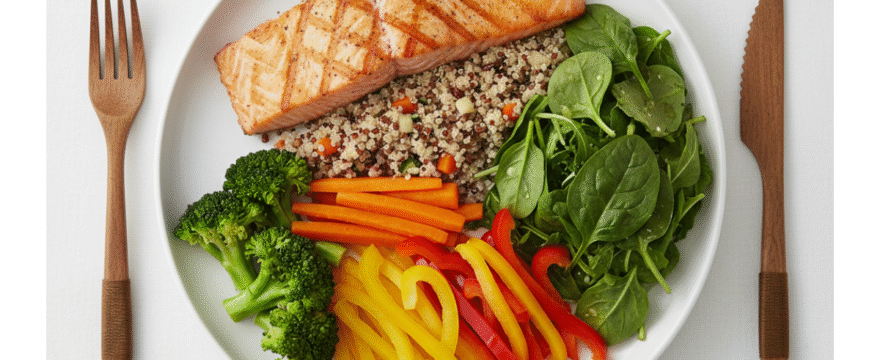
What Is a Balanced Diet and Why Does It Matter?
A balanced diet provides your body with the essential nutrients it needs to function properly. Therefore, you should include the right mix of proteins, carbohydrates, fats, vitamins, and minerals in every meal. Additionally, this approach helps prevent chronic diseases and boosts your energy levels throughout the day.
Many people struggle to understand what a truly balanced diet looks like. However, it’s simpler than you think. You don’t need to give up your favorite foods. Instead, focus on getting all the essential nutrients your body needs.
Understanding the Core Components of a Balanced Diet
Essential Macronutrients
First, let’s explore the three main macronutrients your body requires daily. Carbohydrates serve as your primary energy source. You can find them in whole grains, rice, and bread. Moreover, complex carbohydrates keep you fuller for longer periods.
Proteins act as the building blocks for your muscles and tissues. Consequently, you should include lean meats, fish, eggs, beans, and lentils in your meals. Furthermore, protein helps repair your body and supports immune function.
Healthy fats support brain function and cell structure. Therefore, add avocados, nuts, seeds, and olive oil to your diet. Meanwhile, these fats also help your body absorb vitamins effectively.
Vital Micronutrients
Vitamins and minerals play crucial roles in your overall health. Specifically, you need a variety of colorful fruits and vegetables daily. Each color provides different nutrients and antioxidants.
For instance, leafy greens offer iron and calcium. Similarly, citrus fruits provide vitamin C for immunity. In addition, dairy products or fortified alternatives supply vitamin D and calcium for strong bones.
The MyPlate Approach to Balanced Eating
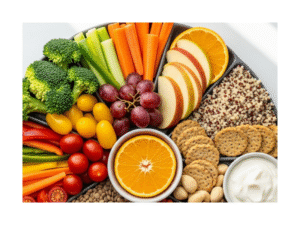

The MyPlate model offers a simple visual guide for creating balanced meals. Essentially, you should fill half your plate with fruits and vegetables. Then, divide the remaining half between whole grains and lean proteins.
This approach ensures you get proper portions from each food group. Additionally, you can include a serving of low-fat dairy or fortified soy products. As a result, your meals become naturally balanced and nutritious.
Creating Your Personalized Balanced Diet Chart
Step 1: Calculate Your Daily Calorie Needs
First, determine how many calories you need daily. This depends on your age, gender, and activity level. For example, moderately active adults typically need 1,800 to 2,400 calories per day.
Moreover, understanding your Basal Metabolic Rate (BMR) helps create a personalized plan. Subsequently, you can adjust portions based on your specific goals.
Step 2: Distribute Your Nutrients Wisely
Next, divide your daily calories among the macronutrients. Generally, aim for 45-65% from carbohydrates, 10-35% from proteins, and 20-35% from fats. However, these percentages can vary based on individual needs.
Step 3: Plan Your Daily Meals
Now, structure your day with regular meals and healthy snacks. Breakfast should energize you for the morning ahead. Therefore, include whole grains, protein, and fruit.
Lunch needs to sustain you through the afternoon. Similarly, combine vegetables, lean protein, and complex carbohydrates. Meanwhile, dinner should be lighter yet satisfying.
7 Day Healthy Eating Plan: Sample Balanced Diet Chart

This 7-day healthy eating plan provides you with complete meal ideas for the entire week. Each day includes balanced portions of proteins, carbohydrates, healthy fats, and plenty of vegetables. Moreover, this plan ensures you get approximately 1,800-2,000 calories daily.
Monday: Energizing Start
- Breakfast: Oatmeal with berries and almonds (350 cal)
- Mid-Morning Snack: Greek yogurt with honey (150 cal)
- Lunch: Grilled chicken salad with mixed greens and olive oil dressing (450 cal)
- Evening Snack: Apple slices with peanut butter (200 cal)
- Dinner: Baked salmon with quinoa and steamed broccoli (500 cal)
Tuesday: Protein-Packed Day
- Breakfast: Whole grain toast with scrambled eggs and avocado (400 cal)
- Mid-Morning Snack: Banana and a handful of walnuts (180 cal)
- Lunch: Brown rice with lentil curry and cucumber salad (480 cal)
- Evening Snack: Carrot sticks with hummus (120 cal)
- Dinner: Stir-fried tofu with vegetables and brown rice (450 cal)
Wednesday: Plant-Forward Focus
- Breakfast: Smoothie bowl with spinach, mango, and chia seeds (380 cal)
- Mid-Morning Snack: Low-fat cheese with whole grain crackers (160 cal)
- Lunch: Whole wheat pasta with tomato sauce and grilled vegetables (500 cal)
- Evening Snack: Orange segments (80 cal)
- Dinner: Grilled fish with sweet potato and green beans (480 cal)
Thursday: Balanced Nutrition
- Breakfast: Whole-grain pancakes with fresh berries and maple syrup (420 cal)
- Mid-Morning Snack: Mixed nuts and dried fruit (200 cal)
- Lunch: Chickpea and vegetable wrap with tahini sauce (450 cal)
- Evening Snack: Bell pepper strips with guacamole (150 cal)
- Dinner: Chicken stir-fry with bell peppers and brown rice (500 cal)
Friday: Heart-Healthy Choices
- Breakfast: Poached eggs on whole grain bread with tomatoes (360 cal)
- Mid-Morning Snack: Cottage cheese with pineapple chunks (170 cal)
- Lunch: Quinoa bowl with black beans, corn, and avocado (520 cal)
- Evening Snack: Handful of almonds (160 cal)
- Dinner: Turkey meatballs with whole wheat spaghetti and marinara (490 cal)
Saturday: Weekend Wellness
- Breakfast: Vegetable omelet with whole grain toast and orange juice (430 cal)
- Mid-Morning Snack: Fresh fruit salad with mint (140 cal)
- Lunch: Grilled vegetable sandwich on whole grain bread with side salad (460 cal)
- Evening Snack: Greek yogurt with granola (190 cal)
- Dinner: Baked chicken breast with roasted root vegetables (480 cal)
Sunday: Relaxed Balanced Eating
- Breakfast: Whole grain cereal with low-fat milk and berries (340 cal)
- Mid-Morning Snack: Pear with almond butter (180 cal)
- Lunch: Lentil soup with whole grain bread and mixed greens (440 cal)
- Evening Snack: Cherry tomatoes with mozzarella balls (150 cal)
- Dinner: Grilled shrimp with wild rice and asparagus (510 cal)
Shopping List for Your 7 Day Healthy Eating Plan
Proteins: Chicken breast, salmon, shrimp, eggs, Greek yogurt, tofu, lentils, chickpeas, turkey, cottage cheese
Grains: Oatmeal, whole grain bread, brown rice, quinoa, whole wheat pasta, wild rice
Fruits: Berries, bananas, apples, oranges, mangoes, pineapple, pears
Vegetables: Spinach, broccoli, bell peppers, tomatoes, carrots, cucumbers, sweet potatoes, asparagus, mixed salad greens
Healthy Fats: Almonds, walnuts, peanut butter, almond butter, avocado, olive oil, chia seeds
Dairy/Alternatives: Low-fat milk, Greek yogurt, cheese, mozzarella
Essential Tips for Following Your Balanced Diet Chart

Plan Your Meals Weekly
Planning prevents unhealthy last-minute choices. Therefore, dedicate time each week to creating your meal plan. Subsequently, prepare your grocery list based on this plan.
Meal prepping on weekends saves time during busy weekdays. As a result, you’ll stick to your healthy eating goals more consistently.
Moreover, if you are short on time but still want to eat healthy, consider quick cooking methods. You can explore
[Microwave Recipes: 25 Delicious Meals in 15 Minutes] to prepare nutritious meals without spending hours in the kitchen.
Control Your Portion Sizes
Use smaller plates to reduce portions naturally. Meanwhile, eat slowly and stop when you feel satisfied. Furthermore, pay attention to your body’s hunger signals.
Portion control doesn’t mean deprivation. Instead, it helps you enjoy all foods in moderation. Consequently, you maintain a healthier relationship with food.
Stay Properly Hydrated
Drink at least eight glasses of water daily. Additionally, water aids digestion and nutrient absorption. Moreover, it helps regulate your body temperature.
Sometimes thirst feels like hunger. Therefore, drink water before reaching for snacks. Similarly, include water-rich foods like cucumbers and watermelon in your diet. If you want to explore more exotic water-rich superfoods like cucamelons, check out our guide on future superfoods.
Limit Processed Foods
Processed foods often contain excess salt, sugar, and unhealthy fats. Instead, choose whole foods whenever possible. For example, pick fresh fruits over packaged snacks.
Reading nutrition labels helps you make informed choices. Furthermore, cooking at home gives you better control over ingredients. As a result, you reduce your intake of hidden additives.
Common Mistakes to Avoid
Skipping Meals
Never skip meals to cut calories. This approach backfires by causing overeating later. Instead, eat regular, balanced meals throughout the day.
Breakfast jumpstarts your metabolism. Therefore, always start your day with a nutritious meal. Similarly, consistent eating patterns support better energy levels.
Ignoring Portion Sizes
Even healthy foods can hinder progress when eaten excessively. For instance, nuts are nutritious but calorie-dense. Therefore, measure portions carefully.
Drinking Too Little Water
Many people confuse thirst with hunger. Consequently, they eat when they should drink water. Moreover, proper hydration supports all bodily functions.
Falling for Diet Food Traps
Products labeled “low-fat” or “diet” aren’t always healthy. Instead, they may contain added sugars or artificial ingredients. Therefore, focus on whole, natural foods.
Health Benefits of a Balanced Diet
Improved Heart Health
A diet rich in healthy fats and low in processed foods supports cardiovascular health. Specifically, it helps maintain healthy cholesterol levels. Moreover, it reduces inflammation throughout your body. If you’re managing diabetes along with cholesterol, check out our Easy Cheap Diabetic Meals guide for budget-friendly, heart-healthy recipes.
Better Weight Management
Balanced eating naturally regulates your calorie intake. Therefore, you maintain a healthy weight without extreme restrictions. Additionally, you feel more satisfied after meals.
Enhanced Energy Levels
Proper nutrition provides steady energy throughout the day. Consequently, you avoid the crashes that come from sugary snacks. Furthermore, balanced meals improve mental clarity and focus.
Stronger Immune System
Adequate vitamins and minerals support your body’s defense mechanisms. Therefore, you become more resistant to common illnesses. Additionally, antioxidants from fruits and vegetables protect your cells.
Reduced Disease Risk
Following a balanced diet lowers your risk of chronic diseases. For example, it helps prevent type 2 diabetes and certain cancers. Moreover, it supports better blood sugar regulation.
Making Your Balanced Diet Work for You
Customize Based on Your Needs
Your perfect diet depends on your individual circumstances. Therefore, adjust the basic framework to fit your lifestyle. For instance, vegetarians can substitute plant-based proteins.
Similarly, people with food allergies need alternative options. However, the core principles remain the same. Everyone benefits from variety and balance.
Start Small and Build Gradually
Don’t overhaul your entire diet overnight. Instead, make one change at a time. For example, start by adding one extra vegetable serving daily.
Next, swap refined grains for whole grains. Subsequently, continue adding healthy habits. As a result, these changes become permanent lifestyle shifts.
Seek Professional Guidance When Needed
Consider consulting a registered dietitian for personalized advice. Especially if you have specific health conditions or dietary restrictions. They can create a tailored plan that addresses your unique needs.
Conclusion
A balanced diet chart provides the foundation for healthy living. By including proper portions of all food groups, you nourish your body optimally. Moreover, the sample weekly meal plans show that healthy eating can be simple and delicious.
Remember, consistency matters more than perfection. Therefore, focus on making sustainable changes you can maintain long-term. Start implementing these guidelines today and experience the transformative power of balanced nutrition.
With this comprehensive guide, you now have all the tools to create your personalized balanced diet chart. Furthermore, the weekly meal plans offer practical examples to get you started. Make healthy eating a priority and enjoy the numerous benefits that follow.
Looking for fast yet healthy meal ideas? Don’t miss our guide on [Microwave Recipes: 25 Delicious Meals in 15 Minutes]—perfect for busy lifestyles.
Disclaimer: This article provides general nutritional information and should not replace personalized medical advice. Consult healthcare professionals or registered dietitians for guidance specific to your health conditions, medications, and individual needs.
Get all traditional and healthy recipes updates in one place: Runnar Hut


[…] this guide, we’ll explore not just how to cook it — but also why this healthy honey chicken recipe fits beautifully into a balanced […]