
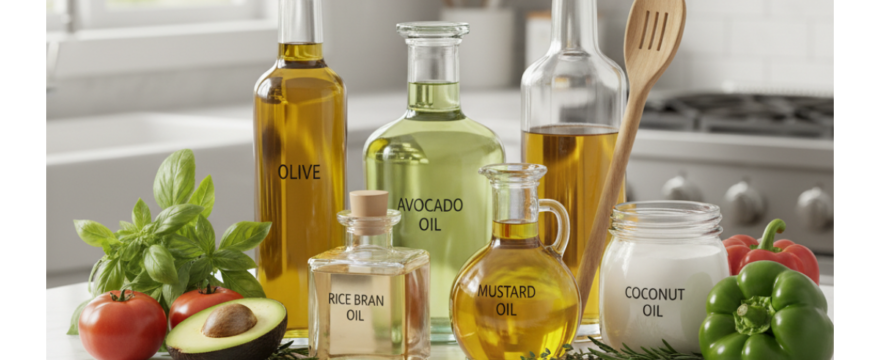
Introduction: Choosing the Right Cooking Oil Matters
Cooking oil is a vital component of our daily meals. However, not all oils offer the same health benefits. Understanding which oils support better nutrition can transform your cooking and overall wellness.
This comprehensive guide explores the healthy cooking oil chart and helps you make informed choices. Whether you’re looking for the best cooking oil for frying or heart health, we’ve got you covered. Moreover, we’ll discuss which oils to avoid and why.
The type of cooking oil you use can significantly impact blood sugar levels and heart health. Olive oil, avocado oil, and coconut oil each offer distinct benefits for individuals with diabetes.
Let’s dive into the world of cooking oils and discover how they impact your health. Looking for easy, budget-friendly diabetic meal ideas? Check out our complete guide to affordable diabetic meals.”
Understanding Cooking Oil Basics
Cooking oils come from various plant and animal sources. Each oil contains different types of fats that affect your health differently. Therefore, knowing these differences is crucial.
Oils contain three main fat types: saturated, monounsaturated, and polyunsaturated fats. Additionally, they have different smoke points, which determine their cooking suitability. The smoke point is the temperature at which oil starts breaking down and releasing harmful compounds.
Consequently, selecting the right oil for your cooking method ensures both safety and nutritional value. Let’s explore the best options available.
Healthiest Oil for Frying: Top Choices


Extra Virgin Olive Oil
Extra virgin olive oil stands out as one of the healthiest options. It contains high levels of monounsaturated fats and antioxidants. Furthermore, it has anti-inflammatory properties that support heart health.
This oil works well for light frying and sautéing. However, it has a moderate smoke point of around 375°F. Therefore, it’s not ideal for deep frying at very high temperatures.
Avocado Oil
Avocado oil is an excellent choice for high-heat cooking. It has a smoke point of approximately 520°F, making it perfect for frying. Moreover, it’s rich in monounsaturated fats and vitamin E.
This oil offers a mild, buttery flavor. It also provides numerous health benefits, including improved nutrient absorption. Consequently, many health-conscious cooks prefer it.
Coconut Oil

Coconut oil has gained popularity in recent years. It contains medium-chain triglycerides (MCTs) that may boost metabolism. However, it’s high in saturated fat, so moderation is key.
This oil has a smoke point around 350°F for refined versions. Therefore, it works well for moderate-heat cooking and baking.
Mustard Oil
Mustard oil is a traditional cooking oil extracted from mustard seeds. It has a strong aroma, a sharp taste, and powerful health benefits. For centuries, people in South Asia have used mustard oil for cooking, massage, and medicine.
Rice Bran Oil
Rice bran oil is extracted from the outer layer of rice grains, called rice bran. This oil is light in color and mild in flavor. Because of its high smoke point and balanced fats, many health experts consider it one of the healthiest cooking oils.
Best Cooking Oil for Heart Health

Health Benefits of Mustard Oil
1. Supports Heart Health
Mustard oil helps reduce bad cholesterol (LDL) while improving good cholesterol (HDL). As a result, it lowers the risk of heart disease and improves blood circulation.
2. High Smoke Point for Safe Cooking
Mustard oil has a high smoke point, which makes it ideal for frying and deep cooking. Therefore, it does not break down easily or release harmful toxins.
3. Aids Digestion
Mustard oil stimulates digestive enzymes. Consequently, it improves digestion and reduces bloating.
4. Anti-Inflammatory Properties
The natural compounds in mustard oil help reduce joint pain and inflammation. This is why people also use it for massage.
5. Boosts Immunity
Mustard oil contains antioxidants that protect the body from infections and oxidative stress.
Olive Oil Benefits
Olive oil is widely recognized for its cardiovascular benefits. Studies show it reduces bad cholesterol levels. Additionally, it increases good cholesterol, supporting overall heart health.
Regular consumption of olive oil is linked to reduced heart disease risk. In fact, it’s a cornerstone of the Mediterranean diet, known for promoting longevity.
Flaxseed Oil
Flaxseed oil is rich in omega-3 fatty acids. These essential fats support heart health and reduce inflammation. However, this oil shouldn’t be heated due to its low smoke point.
Instead, use it in salad dressings or smoothies. This way, you get maximum nutritional benefits without compromising the oil’s integrity.
Rice Bran Oil Benefits
Rice bran oil has gained popularity worldwide because of its unique nutritional profile.
Top Benefits
-
Supports heart health
-
Reduces bad cholesterol
-
Provides Vitamin E
-
Has a high smoke point
-
Improves skin health
-
Contains natural antioxidants
Rice bran oil is one of the strongest oils in the Healthy Cooking Oil Chart: Benefits of Using Healthy Oils for Better Nutrition.
Healthiest Oil for Baking: Smart Selections
Light Olive Oil
Light olive oil (refined) works excellently for baking. It has a neutral flavor that won’t overpower your recipes. Furthermore, it provides healthy fats without an unwanted taste.
This oil has a higher smoke point than extra virgin versions. Consequently, it handles baking temperatures well while maintaining nutritional value.
Coconut Oil for Baking
Coconut oil is a popular baking choice. It creates moist, tender baked goods. Moreover, it can replace butter in many recipes for dairy-free options.
The solid consistency at room temperature makes it ideal for certain recipes. However, remember that it adds a subtle coconut flavor to your baking.
Sunflower Oil
Sunflower oil is another excellent baking option. It has a neutral taste and light texture. Additionally, it’s rich in vitamin E, an important antioxidant.
This oil blends easily into batters and doughs. Therefore, it ensures even distribution throughout your baked goods.
Worst Cooking Oils to Avoid
Partially Hydrogenated Oils
Partially hydrogenated oils contain trans fats. These fats are extremely harmful to your health. They increase bad cholesterol while decreasing good cholesterol.
Many processed foods once contained these oils. However, regulations now restrict their use. Nevertheless, always check labels to ensure they’re absent.
Highly Refined Vegetable Oils
Many refined vegetable oils undergo heavy processing. This process strips away nutrients and beneficial compounds. Moreover, some contain harmful additives.
Is vegetable oil healthy? The answer depends on the type and processing method. Generally, cold-pressed or minimally processed versions are better choices.
Palm Oil Concerns
Palm oil raises both health and environmental concerns. It’s high in saturated fat, which may affect heart health. Additionally, its production often involves deforestation.
If you use palm oil, choose sustainable, certified sources. Better yet, opt for healthier alternatives like olive or avocado oil.
Best Oil to Cook With for Weight Loss

Understanding Oil and Weight Management
All oils are calorie-dense, containing about 120 calories per tablespoon. Therefore, portion control is essential for weight loss. However, some oils may support your goals better than others.
Oils with MCTs, like coconut oil, may boost metabolism slightly. Moreover, olive oil’s monounsaturated fats promote satiety, helping you feel fuller longer.
Practical Tips for Using Oils When Losing Weight
Measure your oil carefully using measuring spoons. This prevents overconsumption of calories. Additionally, use cooking spray or brush oil onto pans for even distribution.
Choose oils that add flavor, so you need less. For example, extra virgin olive oil’s robust taste means a little goes a long way. Consequently, you save calories while enjoying delicious meals.
How to Lose Belly Fat Naturally in 1 Week
Role of Healthy Oils in Fat Loss
While no single food melts belly fat instantly, healthy oils support weight management. They provide the essential fatty acids your body needs. Moreover, they help control hunger and stabilize blood sugar.
Combine healthy oils with a balanced diet and exercise. This approach yields better results than extreme restrictions. Additionally, adequate healthy fats support hormone production essential for fat metabolism.
Quick Strategies for Reducing Belly Fat
Focus on whole foods and reduce processed items. Drink plenty of water throughout the day. Furthermore, incorporate regular physical activity, even if it’s just walking.
Get adequate sleep, as poor rest affects weight loss hormones. Manage stress through meditation or yoga. These lifestyle factors work together with proper nutrition for optimal results.
Remember, sustainable fat loss takes time. One week can start your journey, but lasting change requires consistent effort.
Making Smart Oil Choices for Your Kitchen

Reading Oil Labels
Always check labels when buying cooking oils. Look for terms like “cold-pressed,” “unrefined,” or “extra virgin.” These indicate minimal processing and maximum nutrients.
Avoid oils with added ingredients or preservatives. Similarly, check the expiration date, as oils can go rancid. Store oils properly in cool, dark places to maintain freshness.
Budgeting for Quality Oils
High-quality oils may cost more initially. However, they provide better nutrition and often require less quantity. Therefore, they offer good value over time.
Buy in appropriate sizes to prevent waste from spoilage. Additionally, consider purchasing a few versatile oils rather than many specialized ones. This approach saves money while covering your cooking needs.
Frequently Asked Questions About Cooking Oils
Can I Reuse Cooking Oil?
Reusing oil isn’t recommended for health reasons. Heating oil multiple times creates harmful compounds. Moreover, the smoke point decreases with each use.
If you must reuse oil, strain it and store it properly. However, limit reuse to once or twice maximum. Always discard oil that smells rancid or appears dark.
How Long Do Cooking Oils Last?
Unopened oils typically last 1-2 years when stored properly. Once opened, most oils remain fresh for 6-12 months. However, this varies by oil type.
Refrigerate oils high in polyunsaturated fats like flaxseed oil. They’re more prone to oxidation. Conversely, stable oils like olive oil can stay at room temperature in dark bottles.
Are Expensive Oils Worth It?
Quality oils often justify their higher price. They offer superior taste and nutritional benefits. Moreover, they’re typically produced more sustainably.
However, you don’t need the most expensive options for every purpose. Reserve premium oils for finishing dishes or dressings. Use mid-range options for everyday cooking.
Conclusion: Your Path to Healthier Cooking
Choosing the right cooking oil significantly impacts your health. This healthy cooking oil chart provides the knowledge you need for better nutrition. From the best cooking oil for frying to heart-healthy options, you now have clear guidance.
Remember to avoid the worst cooking oils and focus on quality choices. Whether you’re seeking the healthiest oil for baking or trying to lose weight, proper oil selection matters.
Start implementing these changes today. Your body will thank you for choosing oils that support your health goals. Moreover, you’ll enjoy delicious meals while nourishing your body properly.
Make small changes consistently, and you’ll see significant improvements over time. Here’s to healthier cooking and better nutrition through smart oil choices!


[…] lentils), add sautéed garlic, cherry tomatoes, cucumber, and your chosen lean protein. Dress with olive oil, lemon juice, and fresh herbs. This meal provides approximately 250-300 calories, 15g protein, and […]